
wealth
wealth•Pakistan
KP Governor Announces New Mineral Investment Plan
Khyber Pakhtunkhwa (KP) Governor Faisal Karim Kundi has invited foreign and Pakistani companies to set up joint ventures to extract
ProPakistaniRead original ↗
Live, AI-summarized coverage of payments, banking, crypto & regulation in Pakistan & globally.
Khyber Pakhtunkhwa (KP) Governor Faisal Karim Kundi has invited foreign and Pakistani companies to set up joint ventures to extract
Pakistan just recorded a massive jump in digital exports. Specifically, the State Bank of Pakistan (SBP) reported that the country exported $1.246 billion in telecommunications, computer, and information services during the first quarter (July-September) of FY2027. Therefore, this marks a strong 17.7 percent increase from the $1.059 billion earned in the same period last year. […]

KARACHI: Despite a sales slowdown, outstanding car loans rose for the 22nd consecutive month to Rs407 billion in September from Rs393.3bn in August, data released by the State Bank of Pakistan (SBP) showed. Assemblers saw a 12 per cent year-on-year and 3pc month-on-month drop in sales of cars, SUVs, pickups and vans to 15,104 units in September, owing to uncertainties over the delay in the new auto policy, followed by confusion over the general sales tax (GST) on hybrid vehicles, which was later settled at 18pc for vehicles up to 2,000cc, down from 25pc. However, cumulative auto sales rose by 19pc to 50,480 units in 1QFY27. Topline Securities Chief Executive Mohammed Sohail said auto financing is likely to rise, but more slowly, amid uncertainty over the new auto policy and rising borrowing costs, as KIBOR (Karachi interbank offered rate) has edged higher over the last few weeks. Auto financing depends on the interest rate. At the last Monetary Policy Committee meeting held on Sept 14, the central bank kept the policy rate unchanged at 11.5pc. Topline Securities, in its recent report, said that given the ongoing uncertainty over the global geopolitical situation, its impact on the global energy supply chain, and rising inflation expectations amid elevated oil prices and food inflation, “the State Bank may raise the policy rate by 50bps to help mitigate any prolonged inflationary and external shock.” A banker dealing with auto loans said that car financing will improve further from November, as the car segment is expanding due to rising consumer confidence, greater trust in Chinese-made vehicles, the launch of new models, and the entry of new brands into the market. The next few months appear calm in terms of sales, given the massive rise in the import of semi- and completely knocked-down kits (SKD/CKD) by the assemblers. Published in Dawn, October 18th, 2026
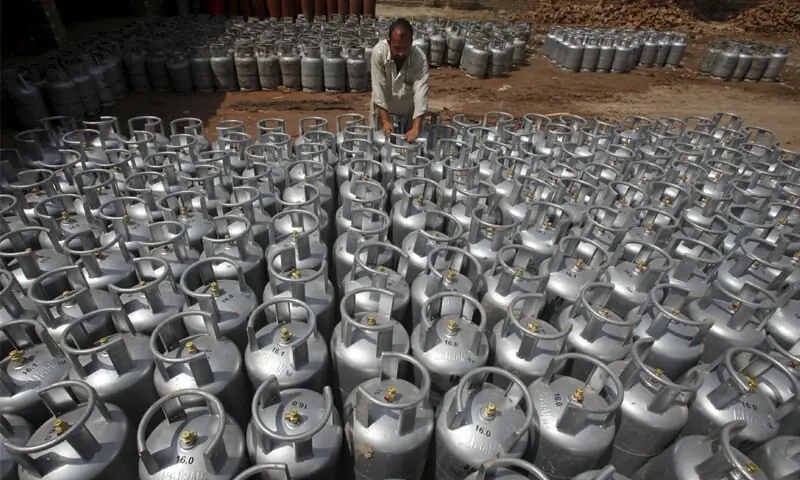
• Petroleum Division flags irregular lifting of imported LPG from terminals • Ogra asked to ensure supplies at notified prices, particularly in remote areas ISLAMABAD: The government has taken notice of the alleged hoarding of liquefied petroleum gas (LPG) to create an artificial shortage ahead of winter and directed all relevant federal and provincial agencies to take coordinated action. Consequently, the Oil and Gas Regulatory Authority (Ogra) is also reported to have directed provincial governments and federal authorities concerned with port operations and clearance to take swift corrective measures. The action followed reports that LPG was being sold in the market at almost 50 per cent higher rates (Rs5,000 per 11.8kg domestic cylinder) than the Rs3,296 notified by Ogra. “It has been reported through various sources that, although LPG importers are importing LPG as per indigenous LPG demand, the imported volumes do not appear to be regularly lifted from LPG import terminals, raising concerns regarding possible hoarding and the creation of an artificial shortage in the domestic market,” according to a Petroleum Division letter to the Ogra chairman and director general LPG. Consequently, this created an artificial shortage in the domestic market and caused a price hike, especially in hilly, remote, and off-grid areas, where consumers rely heavily on LPG to meet their energy needs, the Petroleum Division said. It asked Ogra, the LPG sector regulator, to take appropriate measures to prevent hoarding and ensure regular lifting and supply of LPG to demand centres. It also asked Ogra to initiate necessary enforcement action to ensure the availability of LPG to consumers at Ogra-notified prices, particularly in hilly, remote and off-grid areas. Separately, a statement issued by the Petroleum Division assured the market that it was alive to the situation. It said a transparent mechanism for disposing of locally produced LPG through a competitive process remained a government priority, as it would ensure a level playing field for the industry and address existing market concentration, where locally produced LPG was concentrated among a few market players. It said the Petroleum Division had submitted measures to improve the market’s supply position. One measure was to dispose of locally produced LPG through a transparent, competitive process while ensuring the product’s availability for far-flung and hilly areas, in line with the LPG Policy 2016. The proposed mechanism aims to promote fair competition, enhance transparency in the allocation of locally produced LPG and ensure that upstream enterprises obtain a fair return on their resources. It is intended to provide equitable opportunities to all market participants rather than allowing the benefits of locally produced LPG to remain concentrated among a limited number of players, the statement said. It added that the process was hampered by litigation, but the matter was currently being pursued through the courts, and “the government reserves the right to exercise all available legal options in accordance with the law”. The statement said the government was committed to pursuing measures that improve market efficiency, ensure a fair and transparent business environment, and protect the interests of consumers. Published in Dawn, October 18th, 2026

Sindh Chief Minister Syed Murad Ali Shah on October 15 turned to Shanghai’s economy as a template for his province’s development, leading an investment drive in the Chinese financial hub that concluded with 34 memorandums of understanding and agreements, including 10 government-to-government and 24 business-to-business agreements across key sectors. Speaking at the Sindh Investment Conference […]
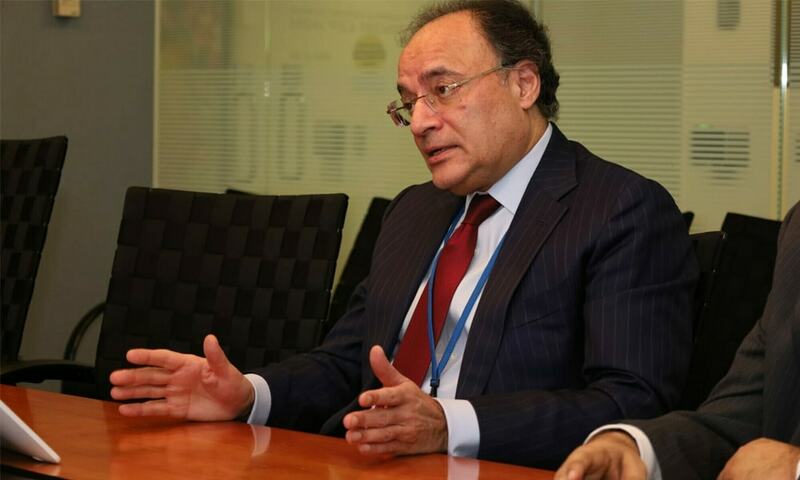
BANGKOK: Federal Minister for Finance and Revenue, Senator Muhammad Aurangzeb, Saturday discussed host of financial matters with ME banks’ teams. Aurangzeb met with the Abu Dhabi Commercial Bank delegation on the sidelines of the World Bank Group–IMF Annual Meetings 2026 in Bangkok, Thailand, to discuss Pakistan’s economic outlook, financing and investment opportunities. The Finance Minister highlighted progress under the IMF programme, fiscal consolidation, stronger reserves and the Government’s commitment to sustainable export-led growth

ISLAMABAD: The Competition Commission of Pakistan (CCP) has developed an artificial intelligence-powered system to uncover concealed patterns of cartelisation in Pakistan’s public procurement market, where an estimated $60 billion is spent annually on goods, works and services. The Bid-Rigging Detection System (BRDS) is designed to screen large volumes of procurement data and flag suspicious bidding patterns for investigation. Its development assumes particular significance as public procurement is estimated to account for approximately 15–20 percent of Pakistan’s Gross Domestic Product. Historically, fragmented procurement data and the absence of automated links with corporate ownership records have constrained the systematic detection of sophisticated practices such as bid rotation, cover bidding and participation by related companies across multiple tenders. BRDS seeks to shift detection from a largely complaint-driven and manual process towards proactive, systematic and data-led market surveillance. The initiative has also gained international recognition, with BRDS featured in the Computational Antitrust Worldwide: Fifth Cross-Agency Report, published by Stanford Computational Antitrust. The report brings together first-hand accounts from 30 competition authorities and examines how computational tools are enabling regulators to undertake enforcement work that would otherwise be difficult — or impossible — through conventional methods. BRDS has reached an advanced stage of development and pre-deployment preparation. Understandings have been reached with the Public Procurement Regulatory Authority, provincial procurement authorities and the Securities and Exchange Commission of Pakistan to facilitate its implementation and the institutional coordination required for effective data integration. Chairman CCP Farid Ahmad Tarar said procurement worth trillions of rupees could not be effectively monitored solely through complaints and the manual examination of individual tenders. He said BRDS would enable the Commission to identify complex and concealed bidding patterns across large datasets and direct its investigative resources towards the highest-risk cases. He emphasised that alerts generated by the system would serve as investigative leads rather than determinations of wrongdoing. Each alert would require independent verification, evidence gathering and legal assessment under the Competition Act, 2010. CCP’s contribution to the Stanford report also sets out practical lessons for competition authorities in developing economies, emphasising machine-readable data, inter-agency cooperation, controlled testing and legal defensibility. The report is available through the Social Science Research Network (SSRN), placing Pakistan’s emerging computational-enforcement experience before the international regulatory and academic community. BRDS is expected to strengthen enforcement against cartelisation, promote fair competition in public procurement and help secure better value for public money. Copyright Business Recorder, 2026

BANGKOK: Pakistan’s finance minister on Saturday told AFP the country had so far withstood the shock from skyrocketing energy prices due to the Iran war, but that attacks on infrastructure in Saudi Arabia and other Gulf countries were “worrying” for the country’s longer-term economic outlook. In an interview on the sidelines of the IMF-World Bank Annual Meetings in Bangkok, Muhammad Aurangzeb said the South Asian country had procured enough energy supplies to last through November, and was now planning for the winter months, when household needs typically spike. “The first-order impact has been negotiated well by Pakistan,” he said. “We’ve had no shortage, no queues at the gas stations, and no law and order situation, which at times we have seen in some of the countries.” He added that unless the government saw “an absolute dire need”, it would not be procuring spot cargoes on the LNG front, which tend to be far more expensive than previously contracted shipments. Since the United States and ally Israel launched the war on Iran in February, global energy prices have surged as Tehran’s retaliatory action has targeted Washington’s Gulf allies and curtailed oil and gas supplies. With Yemen’s civil war flaring back to life as well, the Houthis there have repeatedly attacked Saudi infrastructure, including energy facilities and airports, in recent days. Aurangzeb expressed alarm at the escalation, saying damage to such sites would delay a return to economic normalcy. “What is now (the) worrying part of it is when the energy infrastructure starts getting hit,” he said. “I, to be very honest, I don’t know where that would go. But one thing is very clear: that if the infrastructure continues to get hit, the return to normalcy, even if things subside, will take longer.” Pakistan has been a frequent customer at the International Monetary Fund (IMF), the lender of last resort to countries on the brink of default. It is currently in the midst of its 25th programme with the Fund — at least 11 of which have been outright bailouts — since gaining independence in 1947. The current programme totals around USD 7 billion over three years, with the Fund reaching an agreement this month to release a USD 1.2 billion tranche. With global debt stocks running high, the Fund has called at this year’s annual meetings on all economies, even those most vulnerable to the Iran war shock, to engage in fiscal consolidation to avoid a potential crisis. “Fortunately for us, we have been on this fiscal consolidation path for a while,” Aurangzeb said with a rueful smile. The country’s tax revenues have grown significantly in recent years, and the finance minister said the government was targeting the theft of taxes by private sector businesses that collected sales tax from consumers but never deposited it in government accounts. Such theft accounted for billions of dollars, Aurangzeb said, adding that there remained “room for improvement” on increasing income tax collection as well. He said the government’s reform agenda had faced resistance from industry, lobbying groups and vested interests. “Every reform, everything that you try to do when you try to change the status quo, there is pushback,” he said. One of the major pillars of the IMF’s programme criteria is privatising state-owned assets in Pakistan, where the military runs a vast empire of businesses in sectors from real estate to fertiliser. Asked about those companies, Aurangzeb denied that they were receiving state funding. “As far as we are concerned, whichever commercial enterprises (the military) are running, they are running on a standalone basis and profitable on their own basis,” he said. “So, I can confirm to you, we are not providing any funds from the exchequer.” Pakistan’s military has directly ruled the country for roughly two-fifths of its history, and under current army chief Field Marshal Asim Munir it has tightened its grip over key pillars of power, even as a civilian government remains nominally in charge of the state
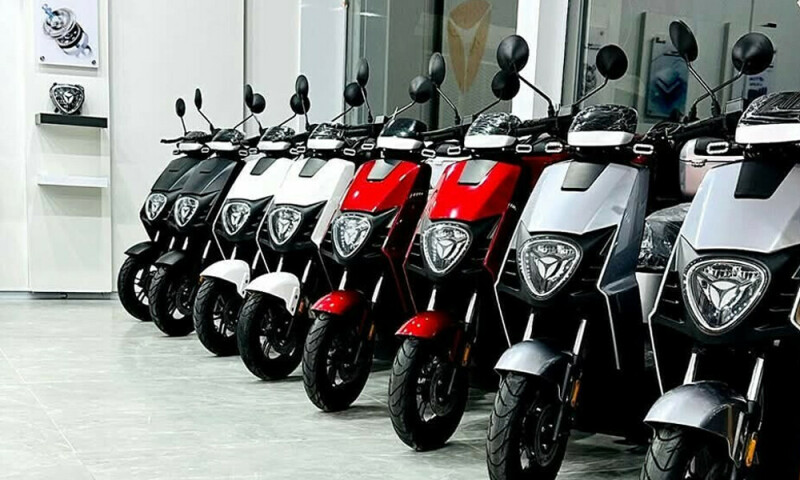
LAHORE: China’s Yadea Technology Global Group has expressed interest in setting up an electric two-wheeler manufacturing plant in Punjab to cater to domestic and export markets. The proposal was discussed during a meeting between Provincial Minister for Industries and Commerce Chaudhry Shafay Hussain and Yadea Technology Global Group Chairman Qiu Xin Yang in Lahore, where investment opportunities in Punjab’s Electric Vehicle (EV) sector came under discussion The Chinese group’s representatives said that Yadea had already established five factories manufacturing two-wheeler electric vehicles in China and other countries. The group intends to set up its sixth manufacturing facility in Punjab. They also highlighted the availability of fast-charging technology for electric bikes. Speaking on the occasion, Chaudhry Shafay Hussain welcomed Yadea’s interest in investing in Punjab and said several Chinese companies had already invested millions of dollars in the province’s EV sector, with a number of electric bike manufacturing plants operational. He assured the delegation that the provincial government would extend all possible facilitation to Yadea for establishing a two-wheeler electric vehicle manufacturing plant in any of Punjab’s Special Economic Zones. The minister said the group could also explore investment opportunities in electric vehicle charging stations, adding that Punjab offered significant opportunities for investment in the EV sector. He also proposed potential collaboration between Yadea and the technology college established at Quaid-e-Azam Business Park in Sheikhupura through a joint venture or cooperation agreement. Chaudhry Shafay Hussain said the government intended to gradually replace conventional petrol-powered motorcycles, widely used by the general public, with electric bikes. Alex Zhao Zhi of Ydea Technology Group and other company officials were also present at the meeting. Copyright Business Recorder, 2026
The State Bank of Pakistan (SBP) has adopted Shariah Standard No. 30 on Monetization (Tawarruq), issued by the Accounting and Auditing Organization for Islamic Financial Institutions (AAOIFI), to strengthen Shariah compliance and improve consistency across Pakistan’s Islamic banking sector. According to an SBP notice, the standard takes immediate effect, subject to the clarifications and amendments […]

Hardware companies expect global investment; face scrutiny
Benchmark KSE-100 index recovers late, ends week lower by 670 points
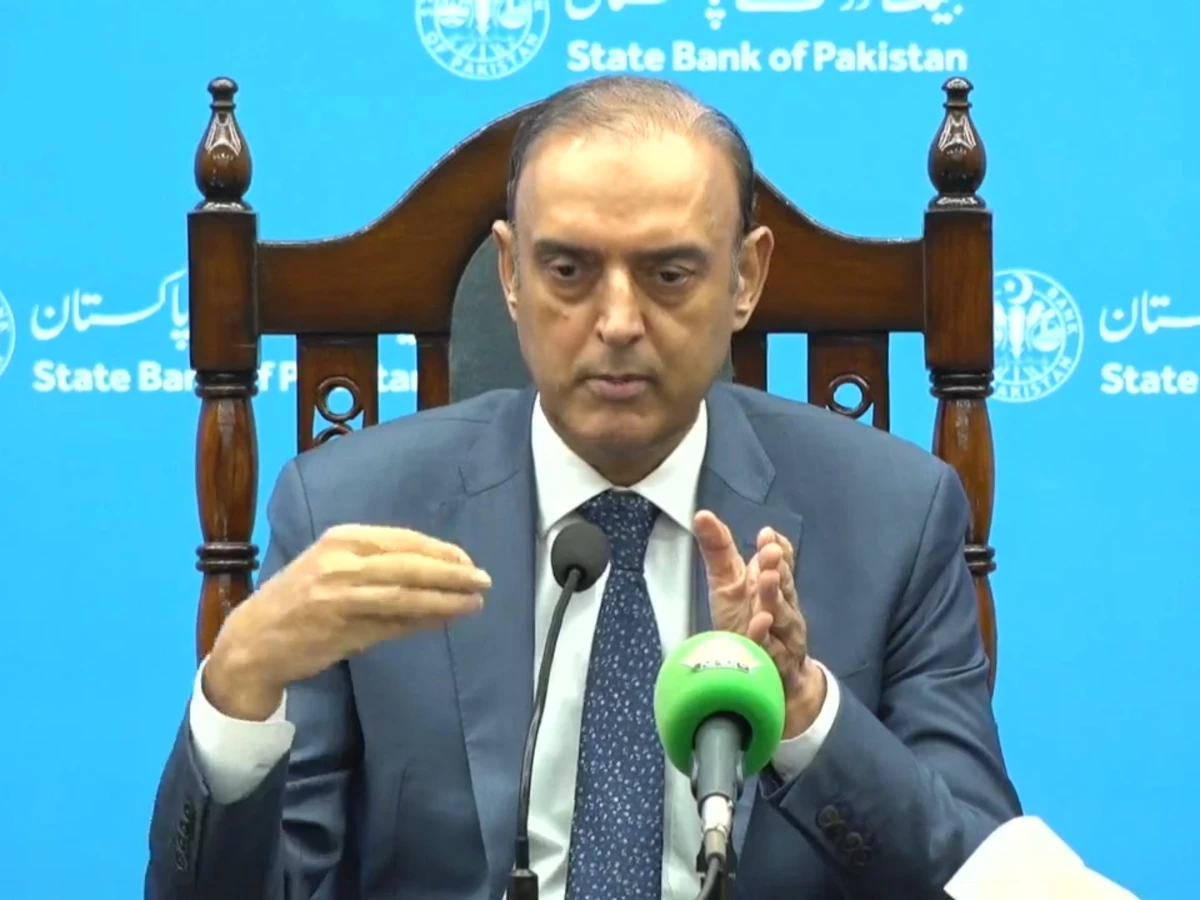
Forward liabilities cut to under $1b from $5.7b; external debt barely rose in three years
Discusses possibility of signing MoU to support SME development

The National Incubation Center Karachi (NIC Karachi) inducted 35 startups into Cohort 16 of its flagship incubation programme, marking a milestone in its efforts to help strengthen Pakistan’s entrepreneurial ecosystem and support the growth of innovative, technology-driven businesses, a statement said on Saturday. According to the details, the latest cohort was selected through a competitive process that attracted over 700 applications. The selected ventures represent entrepreneurial talent from across Pakistan. Funded by Ignite – National Technology Fund under the Ministry of Information Technology and Telecommunication, NIC Karachi is managed by LMKT in partnership with Lucky Landmark Pvt. Ltd., with Orbit Ventures serving as its international acceleration partner. The center provides startups with structured incubation support, mentorship, capacity-building opportunities, and access to industry networks to help founders strengthen their businesses and pursue sustainable growth. As per the statement, NIC Karachi’s incubated startups have collectively generated over Rs13 billion in revenue and attracted over Rs13 billion in investment. “Through its collaboration with Orbit Ventures, Cohort 16 startups will benefit from enhanced mentorship, structured acceleration opportunities, and greater exposure to international networks and potential investors. “The collaboration aims to help founders strengthen their business strategies, improve investment readiness, and explore opportunities to expand into local and international markets,” the statement read. Syed Azfar Hussain, Project Director of NIC Karachi, said, “The induction of Cohort 16 marks another important milestone in our journey to strengthen Pakistan’s startup ecosystem. The quality and diversity of ideas we have seen this year reflect the growing entrepreneurial ambition in the country.” NIC Karachi Cohort 16 Startups * { box-sizing: border-box; } body { margin: 0; padding: 30px 16px; background: #f1f5f9; font-family: Arial, Helvetica, sans-serif; color: #1e293b; } .container { max-width: 1100px; margin: auto; background: #ffffff; padding: 30px; border-radius: 12px; box-shadow: 0 4px 18px rgba(0, 0, 0, 0.08); } .header { text-align: center; margin-bottom: 25px; border-bottom: 3px solid #1d4ed8; padding-bottom: 20px; } .header h1 { margin: 0 0 10px; color: #17365d; font-size: 28px; text-transform: uppercase; } .header p { margin: 0; color: #64748b; font-size: 15px; } .summary { display: inline-block; margin-top: 15px; padding: 9px 18px; background: #dbeafe; color: #1d4ed8; border-radius: 20px; font-weight: bold; } .search-box { width: 100%; padding: 12px 14px; margin-bottom: 18px; border: 1px solid #cbd5e1; border-radius: 6px; font-size: 15px; outline-color: #2563eb; } .table-wrapper { overflow-x: auto; } table { width: 100%; border-collapse: collapse; font-size: 14px; } thead { background: #17365d; color: #ffffff; } th, td { padding: 12px 14px; text-align: left; border: 1px solid #dbe3ec; } th { font-size: 13px; text-transform: uppercase; letter-spacing: 0.4px; } tbody tr:nth-child(even) { background: #edf3f8; } tbody tr:nth-child(odd) { background: #ffffff; } tbody tr:hover { background: #dbeafe; } th:first-child, td:first-child { text-align: center; width: 75px; } .footer { text-align: center; color: #64748b; font-size: 12px; margin-top: 22px; } @media (max-width: 600px) { body { padding: 12px 6px; } .container { padding: 15px 10px; } .header h1 { font-size: 21px; } th, td { padding: 10px 8px; font-size: 12px; } } @media print { body { background: white; padding: 0; } .container { box-shadow: none; padding: 0; } .search-box { display: none; } thead { display: table-header-group; print-color-adjust: exact; -webkit-print-color-adjust: exact; } tbody tr { break-inside: avoid; print-color-adjust: exact; -webkit-print-color-adjust: exact; } .header { print-color-adjust: exact; -webkit-print-color-adjust: exact; } } NIC Karachi Cohort 16 — Startup and Founder Directory 35 Startups S. No. Startup Name Founder Name 1 Accountrix The Financial Consultants Ambreen Zeeshan Khan 2 Agahi Ali Aamir khan 3 Aitebaar Muhammad Ahsan Siddiq 4 Asaan Filer Ali Nisar 5 ASAN PARCHI Hassan Saeed 6 Buddy Study Ramsha Salman 7 Campus Rides Syed Saad Najam 8 Career Intelligence Labs Yumnah Abdul wahab 9 Coretech innovation Abu Sufyan 10 DigiSlip Humaira Bibi 11 EcoPly Tehreem Shakeib 12 Eitemaad Engr, Aadil 13 EMERSYS Syed Bakhtiar Ahmed 14 FoodLoot Hasan Haji 15 Gray Scrubs AI daneyal rafique 16 LikeSpaces M Mulhem Muhammad Hanif 17 LooksInsight Syed Haider Abbas Zaidi 18 Magitly Ayesha Noman 19 Mayaar Muhammad Suleiman Qureshi 20 MedPixel AI Faryal Raees and Amna Farrukh 21 Momistan Najmi Naz 22 PanelBot Ilsa Shariff 23 PaveItGreen Fizza Bega 24 Payssenger Syed Haadi Raza 25 Pixel Flow LLP Ali Faizan Kajani 26 PrepMO Kartar Kumar 27 ProData Solution LLP Syed Muhammad Zain Mohiuddin 28 Reuna AI Asad Shafi 29 Ruhana AI Abdul Hadi 30 Sawari Asim Nizam 31 Setl Muhammad Hatif Mujahid 32 SHS Enterprises Sikandar Arif 33 SpyraSOC Abdul Wasay Khan/ Rabia 34 Subyte Shahmeer 35 YouthPay (SMC Pvt Ltd) Lubaisha National Incubation Center Karachi | Cohort 16 const searchInput = document.getElementById("searchInput"); const tableRows = document.querySelectorAll("#startupTable tbody tr"); const startupCount = document.getElementById("startupCount"); searchInput.addEventListener("input", function () { const query = this.value.toLowerCase().trim(); let visibleCount = 0; tableRows.forEach(function (row) { const matches = row.textContent.toLowerCase().includes(query); row.style.display = matches ? "" : "none"; if (matches) { visibleCount++; } }); startupCount.textContent = visibleCount; }); " style="width: 100%; min-height: 50px; max-height: 30000px; border: none; overflow: hidden; display: block;" scrolling="no"> (function() { var minH = 50; var maxH = 30000; // Capture the specific iframe for this script instance synchronously var scripts = document.getElementsByTagName('script'); var currentScript = document.currentScript || scripts[scripts.length - 1]; var wrapper = currentScript; while (wrapper && (!wrapper.classList || !wrapper.classList.contains('raw-html-embed-wrapper'))) { wrapper = wrapper.parentNode; } if (!wrapper) return; var iframe = wrapper.querySelector('.raw-html-embed'); if (!iframe || iframe._rawHtmlResizerAttached) return; iframe._rawHtmlResizerAttached = true; function setupScrollCoordination(d) { if (iframe._scrollCoordinationAttached) return; iframe._scrollCoordinationAttached = true; // 1. In-page anchors (like href="#app"): scroll both iframe and parent page smoothly d.addEventListener('click', function(e) { var a = e.target.closest && e.target.closest('a[href^="#"]'); if (!a) return; var hash = a.getAttribute('href'); if (!hash || hash === '#') return; var id = decodeURIComponent(hash.slice(1)); var target = d.getElementById(id) || d.querySelector(hash); if (!target) return; e.preventDefault(); target.scrollIntoView({ behavior: 'smooth', block: 'start' }); try { var rect = iframe.getBoundingClientRect(); if (Math.abs(rect.top) > 5) { window.scrollBy({ top: rect.top, behavior: 'smooth' }); } } catch (err) {} }); // 2. Desktop Mouse Wheel / Trackpad coordination d.addEventListener('wheel', function(e) { var rect = iframe.getBoundingClientRect(); var iframeScroll = (d.documentElement.scrollTop || d.body.scrollTop || (iframe.contentWindow && iframe.contentWindow.scrollY) || 0); // If parent header is still visible above iframe, scroll the parent page first if (rect.top > 1 && e.deltaY > 0) { window.scrollBy({ top: e.deltaY, behavior: 'auto' }); e.preventDefault(); return; } // If at top of iframe and rolling wheel up, scroll parent page up if (iframeScroll = maxScroll - 2 && e.deltaY > 0) { window.scrollBy({ top: e.deltaY, behavior: 'auto' }); e.preventDefault(); return; } }, { passive: false }); // 3. Mobile touch coordination (smooth, no frame-by-frame jank) var touchStartY = 0; var isInteractive = false; try { d.addEventListener('touchstart', function(e) { if (e.touches && e.touches.length) { touchStartY = e.touches[0].clientY; isInteractive = !!(e.target.closest && e.target.closest('a, button, input, select, textarea, label, [role="button"]')); } }, { passive: true }); d.addEventListener('touchmove', function(e) { if (isInteractive || !e.touches || !e.touches.length) return; var currentY = e.touches[0].clientY; var diffY = touchStartY - currentY; var rect = iframe.getBoundingClientRect(); // If iframe is not at top yet and user swipes to scroll down, smoothly dock it if (rect.top > 15 && diffY > 10) { window.scrollBy({ top: rect.top, behavior: 'smooth' }); e.preventDefault(); return; } var iframeScroll = (d.documentElement.scrollTop || d.body.scrollTop || (iframe.contentWindow && iframe.contentWindow.scrollY) || 0); // If at top of iframe and pulling down if (diffY 15 && iframeScroll >= maxScroll - 5) { window.scrollBy({ top: 150, behavior: 'smooth' }); return; } }, { passive: false }); } catch (e) {} } function updateHeight() { try { var d = iframe.contentDocument || iframe.contentWindow.document; if (!d || !d.body) return; var meta = d.querySelector('meta[name="embed-height"]'); if (meta && meta.content) { iframe.style.height = meta.content; iframe.style.overflow = 'auto'; iframe.removeAttribute('scrolling'); setupScrollCoordination(d); return; } if (d.body.style.height && d.body.style.height.indexOf('%') === -1) { iframe.style.height = d.body.style.height; return; } // Reset height so the iframe can shrink if the window got narrower iframe.style.height = minH + 'px'; var h = Math.max( d.body.scrollHeight, d.body.offsetHeight, d.documentElement.scrollHeight, d.documentElement.offsetHeight ); if (h > 0) { iframe.style.height = Math.min(Math.max(h, minH), maxH) + 'px'; } } catch (err) {} } iframe.addEventListener('load', function() { updateHeight(); try { var d = iframe.contentDocument || iframe.contentWindow.document; if (window.ResizeObserver && d && d.body) { new ResizeObserver(updateHeight).observe(d.body); } } catch (e) {} }); // Fallback in case it's already loaded (e.g. bfcache or fast render) if (iframe.contentDocument && iframe.contentDocument.readyState === 'complete') { updateHeight(); try { if (window.ResizeObserver && iframe.contentDocument && iframe.contentDocument.body) { new ResizeObserver(updateHeight).observe(iframe.contentDocument.body); } } catch (e) {} } })();

Pakistan’s economy is better prepared to handle external shocks, State Bank of Pakistan Governor Jameel Ahmad told international investors. He highlighted rising foreign exchange reserves, lower inflation and recovering economic growth. According to the central bank, these improvements reflect sustained economic policies and structural reforms. Speaking at meetings during the IMF-World Bank Annual Meetings in […]
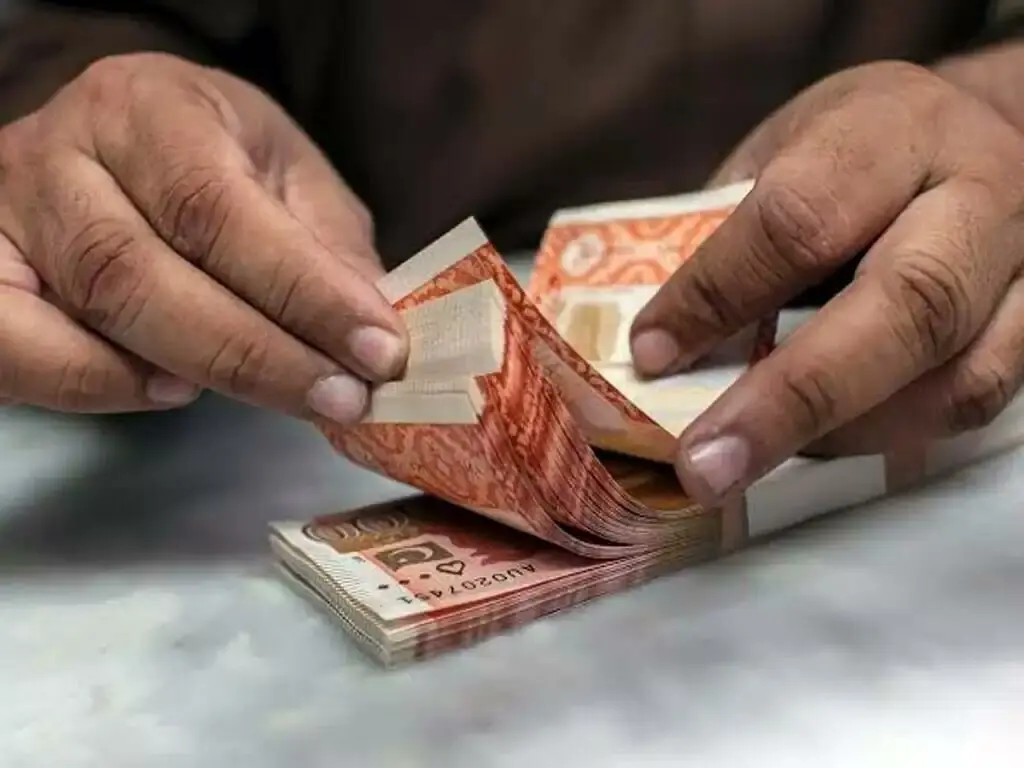
Deposits held by Pakistan’s scheduled banks have nearly doubled to Rs40.83 trillion in September 2026 from Rs21 trillion four years ago, highlighting a massive expansion in the banking system’s deposit base but raising questions about the flow of funds into productive economic activities. Former minister and chairman Pakistan Economic Policy and Business Development Dr Gohar Ejaz said on Saturday, that scheduled banks’ total deposits increased by Rs19.83 trillion between September 2022 and September 2026, reflecting a substantial increase in funds available within the banking system. However, the growing deposit base has renewed the debate over whether these funds are being channelled towards businesses, industry and private-sector investment or are increasingly being absorbed by government borrowing. Ejaz stressed that the money mobilised by banks must reach businesses and industry, arguing that sustainable economic growth depends on productive economic activity rather than lending to the government. The expansion in deposits represents a significant pool of financial resources that could potentially support industrial expansion, business investment, employment generation and economic activity. However, the availability of deposits alone does not guarantee an increase in private-sector credit or investment. The key challenge is to ensure that banks translate this growing deposit base into financing for productive sectors, particularly businesses seeking funds to expand operations, modernise production facilities and create jobs. Heavy government borrowing from the banking system can compete with private-sector borrowers for available funds. Depending on prevailing returns and credit risks, banks may prefer lending to the government over extending loans to businesses, particularly smaller enterprises that often face higher borrowing costs and stringent collateral requirements. A sustained shift towards government securities could constrain the availability of credit for businesses, limiting investment and weakening the potential contribution of the private sector to economic growth
The National Database and Registration Authority (NADRA) has established 43 citizen facilitation centres across 11 districts of Khyber Pakhtunkhwa (K-P) under a $46 million World Bank-funded project aimed at improving public service delivery. According to an official document available with Wealth Pakistan, the initiative is part of the K-P Citizen-Centred Service Delivery Project, which falls […]
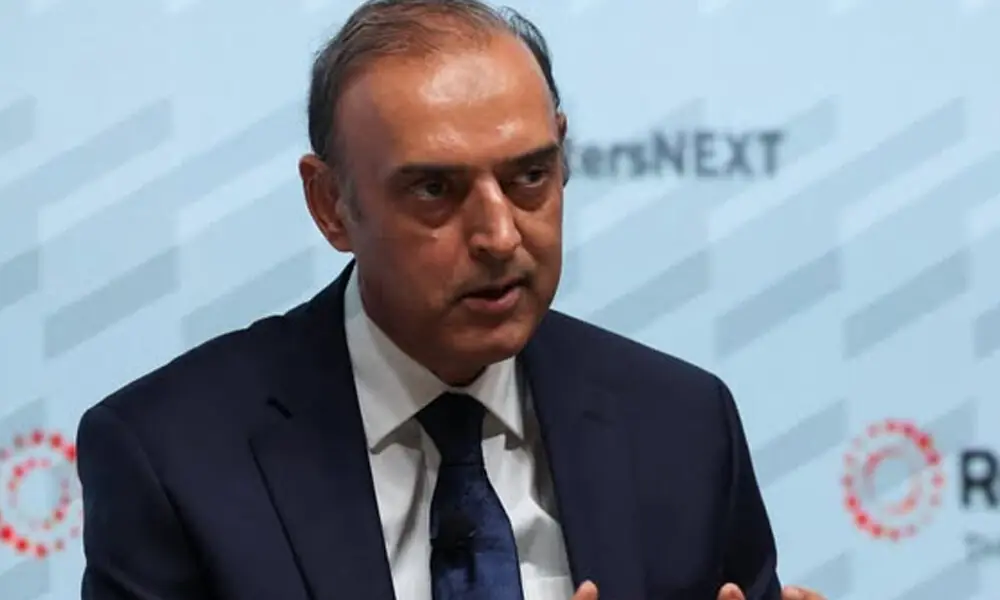
State Bank of Pakistan (SBP) Governor Jameel Ahmad has told global investors that Pakistan’s macroeconomic conditions have improved, with foreign exchange reserves rising to $21.5 billion and inflation declining sharply, strengthening the economy’s ability to withstand external shocks. Addressing high-level meetings with foreign investors on the sidelines of the IMF-World Bank Annual Meetings in Bangkok, Thailand, Ahmad attributed the improvement to sustained macroeconomic policies and structural reforms. According to an SBP press release on Saturday, the meetings brought together senior executives from leading global financial institutions, including JP Morgan, Citibank, Jefferies, Deutsche Bank, Barclays, Bank of America, MSCI, Standard Chartered and Mitsubishi UFJ Financial Group. The governor also met bilateral and multilateral partners, central banks and global credit rating agencies. Ahmad said inflation had fallen sharply from elevated levels in FY23 to near the target range in FY26, despite a significant oil price shock. Economic growth, which contracted in FY23, has gradually recovered, reaching 3.7% in FY26. Growth is projected at 3.5% to 4.5% in FY27. The country’s external buffers have also strengthened considerably. Official foreign exchange reserves, which fell below $3 billion in February 2023, reached $21.5 billion as of October 9, 2026, while the SBP’s forward liabilities declined from more than $5.7 billion to less than $1 billion. The central bank said the improvement was largely driven by its foreign exchange purchases, while the country’s external debt stock increased only marginally over the past three years. These purchases were facilitated by an almost balanced current account in FY26. Regulatory reforms, particularly those targeting exchange companies and encouraging remittances through formal channels, have also improved liquidity in the interbank foreign exchange market, according to the SBP. The central bank expects foreign exchange purchases to continue, with the current account deficit projected to remain contained at between zero and 1% of gross domestic product in FY27. Pakistan’s fiscal position has strengthened as well, with the primary fiscal balance recording a third consecutive annual surplus in FY26. The public debt-to-GDP ratio has consequently continued on a downward trajectory, the SBP said. Ahmad also informed investors that a staff-level agreement had been reached with the International Monetary Fund (IMF) on the reviews under the Extended Fund Facility (EFF) and the Resilience and Sustainability Facility (RSF). He said continued implementation of the reform agenda had improved investor confidence, contributed to upgrades in Pakistan’s sovereign credit ratings and facilitated access to international capital markets despite a challenging global environment. The governor said Pakistan’s economic fundamentals remained strong, supported by a prudent policy mix that had helped cushion the impact of multiple shocks over the past three years. While ongoing geopolitical developments posed challenges, he said Pakistan was in a significantly better position to withstand the latest shock than during previous periods of external stress. Ahmad reaffirmed the SBP’s commitment to preserving macroeconomic stability, strengthening external buffers and advancing structural reforms to support sustainable economic growth
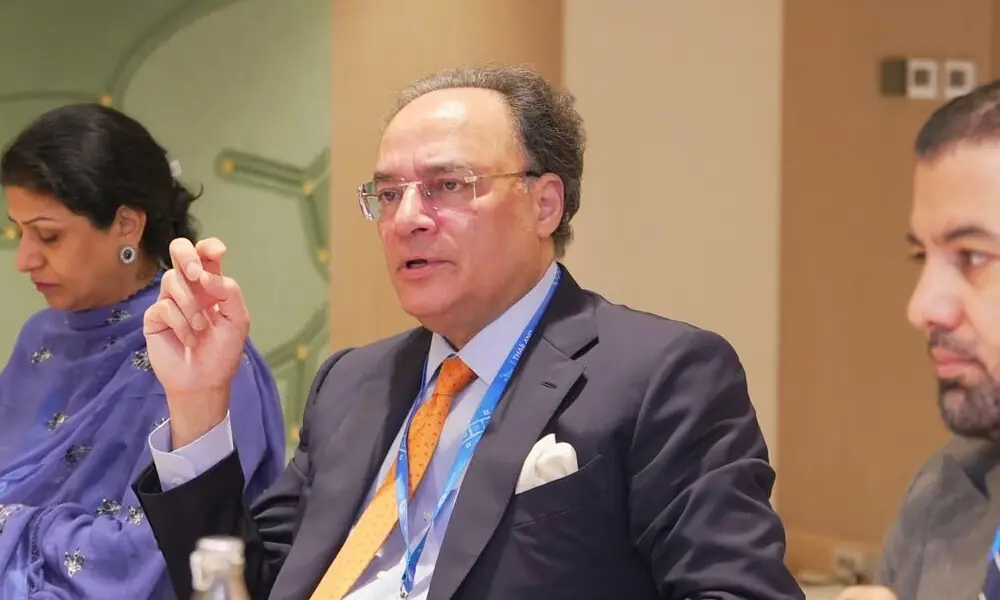
BANGKOK, Thailand: Finance Minister Muhammad Aurangzeb on Saturday told AFP the country had so far withstood the shock from skyrocketing energy prices due to the Iran war, but that attacks on infrastructure in Saudi Arabia and other Gulf countries were “worrying” for the country’s longer-term economic outlook. In an interview on the sidelines of the IMF-World Bank Annual Meetings in Bangkok, Aurangzeb said the South Asian country had procured enough energy supplies to last through November, and was now planning for the winter months, when household needs typically spike. “The first-order impact has been negotiated well by Pakistan,” he said. “We’ve had no shortage, no queues at the gas stations, and no law and order situation, which at times we have seen in some of the countries.” He added that unless the government saw “an absolute dire need”, it would not be procuring spot cargoes on the LNG front, which tend to be far more expensive than previously contracted shipments. Since the United States and ally Israel launched the war on Iran in February, global energy prices have surged as Tehran’s retaliatory action has targeted Washington’s Gulf allies and curtailed oil and gas supplies. With Yemen’s civil war flaring back to life as well, the Houthis there have repeatedly attacked Saudi infrastructure, including energy facilities and airports, in recent days. Aurangzeb expressed alarm at the escalation, saying damage to such sites would delay a return to economic normalcy. “What is now (the) worrying part of it is when the energy infrastructure starts getting hit,” he said. “I, to be very honest, I don’t know where that would go. But one thing is very clear: that if the infrastructure continues to get hit, the return to normalcy, even if things subside, will take longer.” ‘Pushback’ Pakistan has been a frequent customer at the International Monetary Fund (IMF), the lender of last resort to countries on the brink of default. It is currently in the midst of its 25th programme with the Fund – at least 11 of which have been outright bailouts – since gaining independence in 1947. The current programme totals around $7 billion over three years, with the Fund reaching an agreement this month to release a $1.2 billion tranche. With global debt stocks running high, the Fund has called at this year’s annual meetings on all economies, even those most vulnerable to the Iran war shock, to engage in fiscal consolidation to avoid a potential crisis. “Fortunately for us, we have been on this fiscal consolidation path for a while,” Aurangzeb said with a rueful smile. The country’s tax revenues have grown significantly in recent years, and the finance minister said the government was targeting the theft of taxes by private sector businesses that collected sales tax from consumers but never deposited it in government accounts. Such theft accounted for billions of dollars, Aurangzeb said, adding that there remained “room for improvement” on increasing income tax collection as well. He said the government’s reform agenda had faced resistance from industry, lobbying groups and vested interests. “Every reform, everything that you try to do when you try to change the status quo, there is pushback,” he said
Federal Minister for Economic Affairs and Pakistan’s Governor to the World Bank Group (WBG), Ahad Khan Cheema, sought continued WBG

Pakistani freelancers set a historic milestone in the national digital economy by generating record-breaking monthly foreign exchange earnings. Official government data revealed that IT freelancers earned a staggering 197 million dollars during September 2026 alone. This impressive figure represents the highest single-month export revenue recorded in the country’s history. Furthermore, monthly earnings grew by forty-nine […]
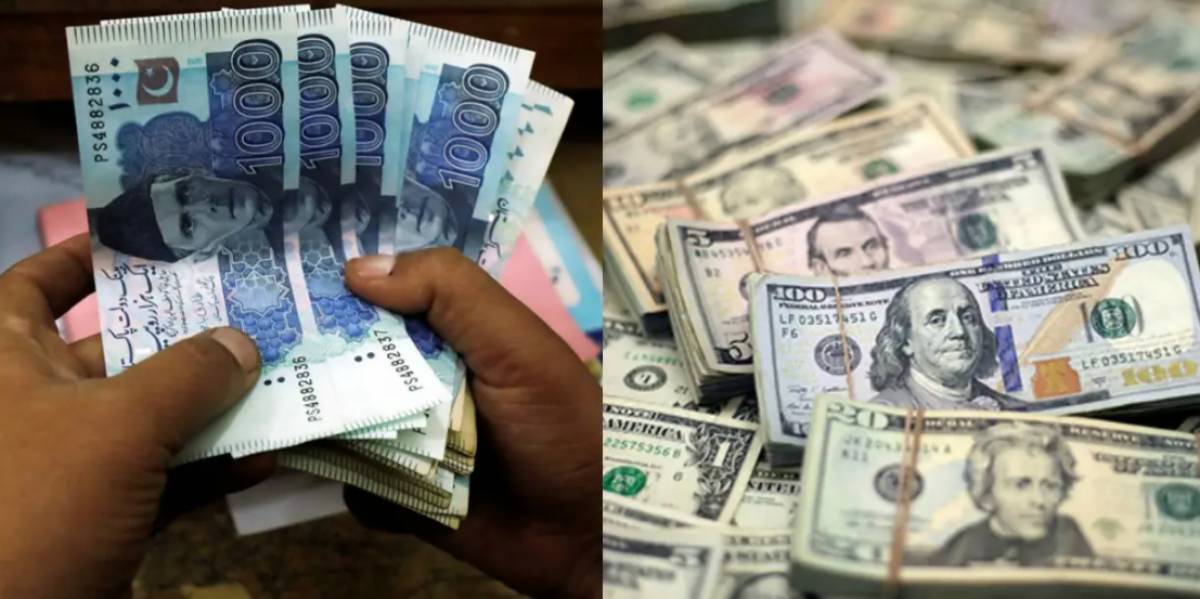
KARACHI – Currency exchange rates in Pakistan are a crucial factor impacting everything from trade balances and inflation to remittances
ISLAMABAD: The Securities and Exchange Commission of Pakistan (SECP) is initiating regulatory action over material discrepancies in the IPO prospectus of SE Fruits and Vegetable Limited, which was based on information provided in the company’s audited financial statements. SECP suspended further proceedings subsequent to the book building process to protect the investors. The company subsequently voluntarily withdrew the IPO with the intention to resubmit at a later stage with enhance disclosures. The subscription money has been refunded to investors. Any company seeking to raise funds through an IPO must disclose its financial position, business plans and risks in a prospectus so investors can make informed decisions. The process and responsibilities are: The company prepares accurate financial records and show complete business disclosures; The external auditor carries out audit of the financial statements; The consultant to the issue conducts due diligence, prepares the draft prospectus and submits the applications to PSX; The PSX’s listing committee review the applications and also seeks public comments on the draft prospectus; The company and consultant address observations, update disclosures and submit the due diligence certificate. The objective is achieving complete transparency to the investors; PSX decides the listing application, followed by SECP’s decision on the prospectus. After approval, the company publishes the approved prospectus on PRIDE (Public Offerings Revolutionised through an integrated and Digitised Experience) and the book building process starts. Under sections 134 and 136 of the Securities Act, 2015, fraudulently inducing securities transactions and making false or misleading statements are criminal offences. SECP is reviewing the SE Fruits IPO to determine responsibility for procedural irregularities. Appropriate action will be taken where violations are established. Accurate financial statements and reliable audits support fair stock prices, sound bank lending and correct tax assessments. Misleading accounts can harm investors, lenders and government revenues. The case highlights the need to strengthen the Audit Oversight Board (AOB). SECP emphasised the importance of aligning its legal framework with international practices and IFIAR principles. Internationally, auditors serve as gatekeepers of financial integrity. To hold them accountable, the AOB needs effective inspection and enforcement powers, adequate technical staff and stable funding. Copyright Business Recorder, 2026
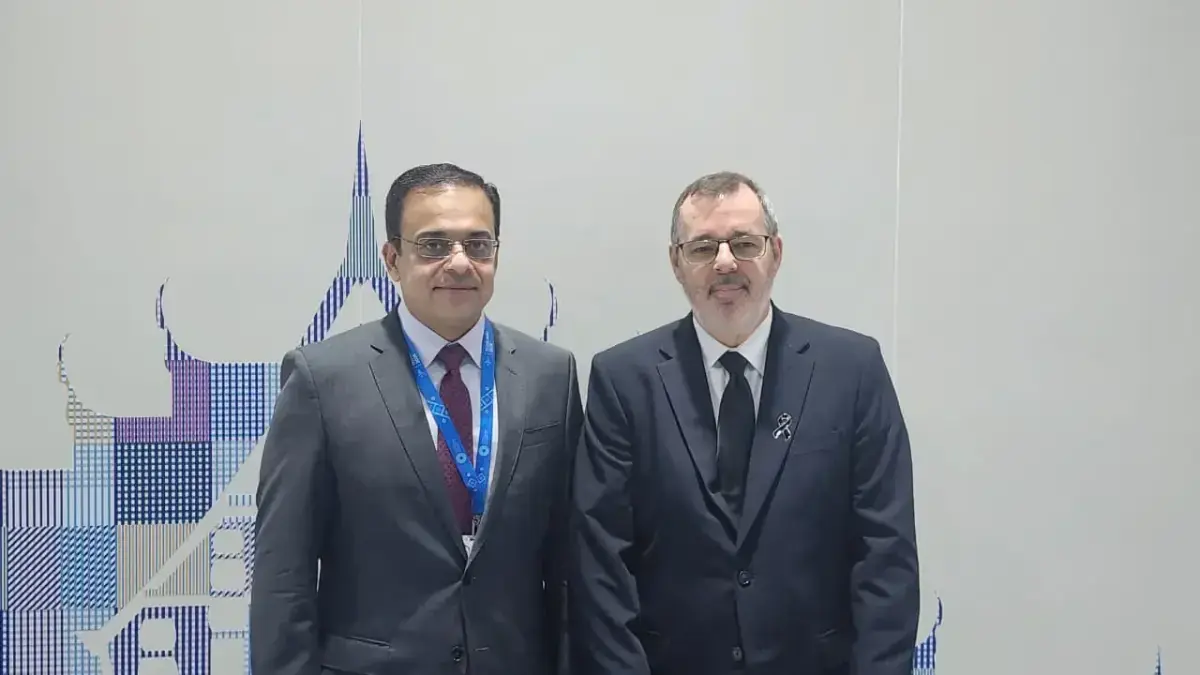
ISLAMABAD: Pakistan has been named to head the Boards of Governors of the International Monetary Fund (IMF) and the World Bank Group (WBG) in 2027, marking the country’s first return to the position since 1953, the Ministry of Economic Affairs said on Friday. Federal Minister for Economic Affairs Ahad Khan Cheema, who also serves as Pakistan’s governor to the World Bank, was formally named the incoming chair during the plenary session of the 2026 WBG-IMF Annual Meetings in Bangkok, according to a ministry statement. The annual meetings, being held from October 12 to 18, have drawn more than 15,000 participants from 191 countries, including central bank governors, economic policymakers and business leaders, to discuss key issues affecting the global economy. The ministry termed Pakistan’s selection a historic achievement, saying the chairmanship would allow the country to participate more actively in international economic and development discussions and promote dialogue among member states. Following the announcement, Cheema received a briefing from the WBG Corporate Secretariat on the responsibilities associated with the role. He also met World Bank Group Vice President and Corporate Secretary Aradhana Kumar-Capoor to discuss institutional assistance and coordination for Pakistan’s tenure. Cheema also held a meeting with Carlos Carvallo Spalding, governor of Paraguay’s central bank and the outgoing chair of the Boards of Governors. He congratulated Spalding on completing his term and praised his leadership, while the two discussed the office’s responsibilities and priorities for the coming year. During the engagements, Cheema underscored Pakistan’s commitment to amplifying the voice of developing countries, ensuring effective and predictable development financing, improving coordination among multilateral development institutions and mobilising private investment for sustainable and inclusive growth. He also reaffirmed Pakistan’s willingness to work with the IMF, the World Bank Group and member countries to encourage constructive engagement and strengthen the international financial and development system, the ministry said. Earlier this month, Pakistan and the IMF reached a staff-level agreement following the fourth review of the EFF programme and the third review of the RSF. The agreement made Pakistan eligible to receive around $1.2 billion from the Fund, subject to the completion of the required approval process
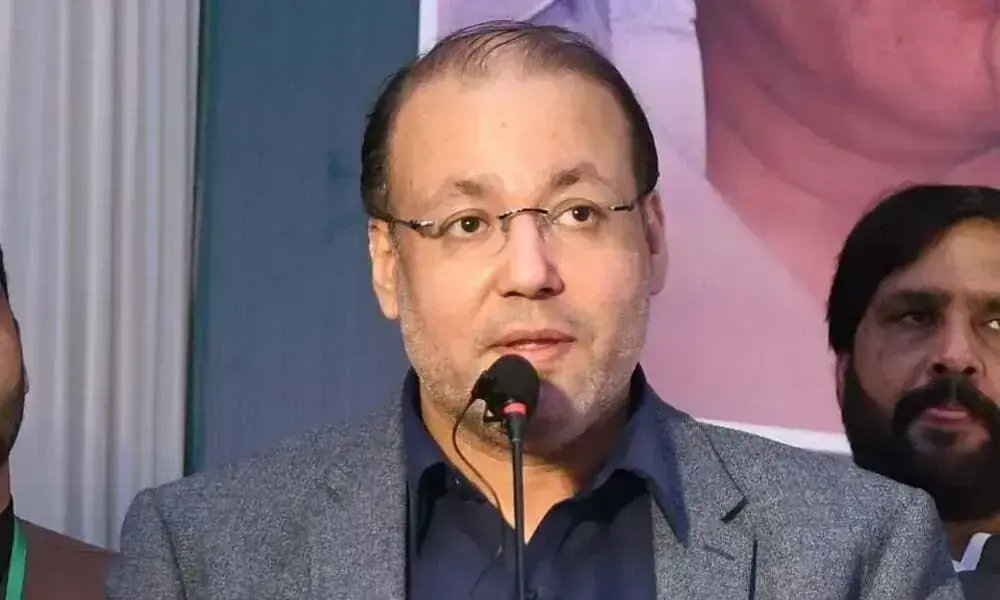
LAHORE: A 20-member delegation of Chinese investors called on Punjab Minister for Industries and commerce Chaudhry Shafay Hussain on Friday and expressed keen interest in establishing electric bus and truck manufacturing plants, investing in information technology and tourism, and setting up a China pavilion in the province to showcase Chinese products. The delegation, comprising representatives of Chinese companies in electric vehicles (EVs), IT, tourism and agriculture, discussed investment opportunities across various sectors of the province. Director of the forum’s Beijing office, Wei Linzhui, said the forum planned to establish a China pavilion on 100 kanals of land in Punjab. Chinese investors were also considering electric bus and truck assembly and manufacturing plants, while an IT university in Gujrat was under consideration. Shafay Hussain said several Chinese companies had invested millions of dollars in Punjab over the past two and a half years. He added that chip frame manufacturing would begin in Pakistan for the first time, while the construction of a Chinese mobile phone company VIVO’s factory at Faisalabad Industrial Estate was nearing completion. He invited Chinese companies to explore opportunities in EV charging infrastructure, IT and tourism, assuring them that the provincial government would provide land for the proposed China Pavilion. The minister said Punjab’s special economic zones offered modern industrial infrastructure, adding that plot prices in industrial estates had been reduced to facilitate investors. A 50-acre expo centre would also be established in Faisalabad, with construction expected to begin by the end of this year. The minister stated that Chinese investment could accelerate technology transfer and industrial development in Pakistan, while stressing the need for practical measures to promote tourism between the two countries. Former Senator Lieutenant General Abdul Qayyum (r) also attended the meeting. Copyright Business Recorder, 2026
KARACHI: The Inland Revenue Service Officers Association (IRSOA) has expressed serious concern over reports that further structural reforms are being considered within the Federal Board of Revenue (FBR), saying several major reform initiatives are still being implemented. The IRSOA said it fully supports meaningful reform but argued that institutional changes must rest on objective evaluation, operational realities and the national interest. The IRSOA pointed to a number of initiatives that remain at various stages of rollout, including digital invoicing, Point-of-Sale (POS) integration, Compliance Risk Management (CRM), production monitoring and the Faceless Inland Revenue System. It said these programmes need sufficient time to mature and show measurable results before any new structural changes are introduced. “Reform must be a continuous process of institutional strengthening, not a cycle of repeated experimentation,” it said. It warned that frequent restructuring without first assessing existing initiatives could create administrative uncertainty, disrupt institutional continuity, weaken operational capacity and harm revenue collection. It recalled that the 2009 integration of income tax, sales tax and federal excise under Inland Revenue was meant to ensure coordinated tax administration, efficient use of resources and better taxpayer facilitation. It noted that Pakistan’s tax landscape remains fragmented, with businesses dealing with multiple federal, provincial and local authorities, each with its own compliance requirements, reporting obligations and enforcement mechanisms. This, it said, raises compliance costs, adds administrative complexity and hampers the ease of doing business. The IRSOA said the long-term goal should be a seamless national tax administration framework with harmonised procedures, integrated information systems and coordinated enforcement across all taxes and jurisdictions. Reform, it argued, should move toward greater institutional coherence and integration rather than adding new layers of administrative complexity. It also stressed the need for meaningful consultation with the officers who implement reforms, saying sustainable change depends on institutional confidence, operational continuity and the participation of those entrusted with carrying it out. “Revenue administration is not merely a function of government; it is fundamental to the capacity, stability, and continuity of the state,” it said, adding that its position is driven by the aim of safeguarding national revenue and strengthening institutional effectiveness. The IRSOA urged the government and FBR leadership to prioritise consolidating ongoing reforms, commission an independent evaluation of their outcomes, and consult relevant stakeholders before contemplating any further structural changes. It said that Pakistan’s revenue system needs institutional stability, continuity and a coherent long-term vision built on greater coordination and integration, with consolidation rather than repeated restructuring. Copyright Business Recorder, 2026

ISLAMABAD: Federal Minister for Board of Investment Qaiser Ahmed Sheikh on Friday attended the Malaysia–Pakistan Business Engagement 2026: Strengthening Trade, Investment and Business Linkages as Guest of Honour at the High Commission of Malaysia, reaffirming Pakistan’s commitment to strengthening economic cooperation, expanding bilateral trade and promoting investment partnerships between the two brotherly countries. The event brought together representatives of the public and private sectors, business leaders, investors and economic stakeholders to explore new avenues for bilateral trade, investment and business-to-business collaboration. Ambassador Dato’ Mohammad Azhar Mazlan, High Commissioner of Malaysia to Pakistan, welcomed the federal minister and appreciated him for taking time out of his busy schedule to attend the engagement. He highlighted the longstanding and cordial relations between Malaysia and Pakistan and emphasised the considerable potential for further expanding commercial and economic cooperation. Addressing the gathering, the Malaysian high commissioner underscored the importance of translating the two countries’ longstanding friendship into stronger trade and investment partnerships. He noted Pakistan’s significance as a major trading partner in South Asia and expressed confidence that bilateral trade could be substantially increased, with an ambition to expand its value up to approximately USD 1.5 billion to USD 5 billion through enhanced commercial engagement and greater private-sector participation. Ambassador Dato’ Mohammad Azhar Mazlan identified artificial intelligence, education, manufacturing, goods and services as promising areas for collaboration, emphasising that Malaysia recognised Pakistan’s economic potential and strategic importance. He also highlighted Pakistan’s geographical position as a gateway to Central Asian markets and its predominantly young population as important strengths for future economic cooperation. Referring to opportunities in edible oil and Halal products, he encouraged Pakistani businesses and investors to explore Malaysia, citing Pakistani investment in Halal gelatin production in Malaysia as an example of the potential for successful cross-border business ventures. The high commissioner further emphasised the importance of pursuing mutually beneficial partnerships, stating that a win-win approach should remain central to bilateral economic engagement. He described Pakistan as a strategic partner for trade and investment and expressed Malaysia’s interest in exploring additional opportunities for cooperation across sectors. In his address, Federal Minister Qaiser Ahmed Sheikh noted that Pakistan and Malaysia have maintained cordial relations since the early years of Pakistan’s independence, with cooperation extending across multiple fields. He appreciated Malaysia’s impressive progress in economic development, technology and other sectors, and expressed Pakistan’s desire to work even more closely with Malaysia to translate the longstanding bilateral relationship into tangible economic gains. Sharing his own experience of commercial engagement with Malaysia, the Minister said he had visited the country numerous times and had personally conducted business with a Malaysian company, including in the rice trade. He observed that direct business experience and established commercial relationships provide a strong foundation for expanding bilateral trade, encouraging investment and building lasting partnerships between the two countries. Turning to future areas of economic collaboration, the Minister identified information technology, artificial intelligence, advanced technology, manufacturing, value-added industries, mining and minerals, agriculture, food processing and Halal products as sectors offering substantial potential for joint ventures and investment. He noted that Malaysia’s technological expertise and industrial experience could complement Pakistan’s natural resources, workforce, consumer market and emerging business opportunities. The minister stressed that Pakistan welcomes high-quality Malaysian investment that contributes to industrial development, technology transfer, employment generation and export growth. He invited Malaysian companies to explore commercially viable opportunities in Pakistan and assured them that the Board of Investment stands ready to facilitate investors, support their business plans and coordinate with relevant government stakeholders to address their requirements. Concluding his remarks, Qaiser Ahmed Sheikh invited Malaysian business leaders and investors to visit Pakistan, explore its diverse investment opportunities and develop partnerships with Pakistani counterparts. He reaffirmed that Pakistan is ready to welcome Malaysian investors and facilitate commercially viable initiatives that strengthen bilateral economic relations. Copyright Business Recorder, 2026
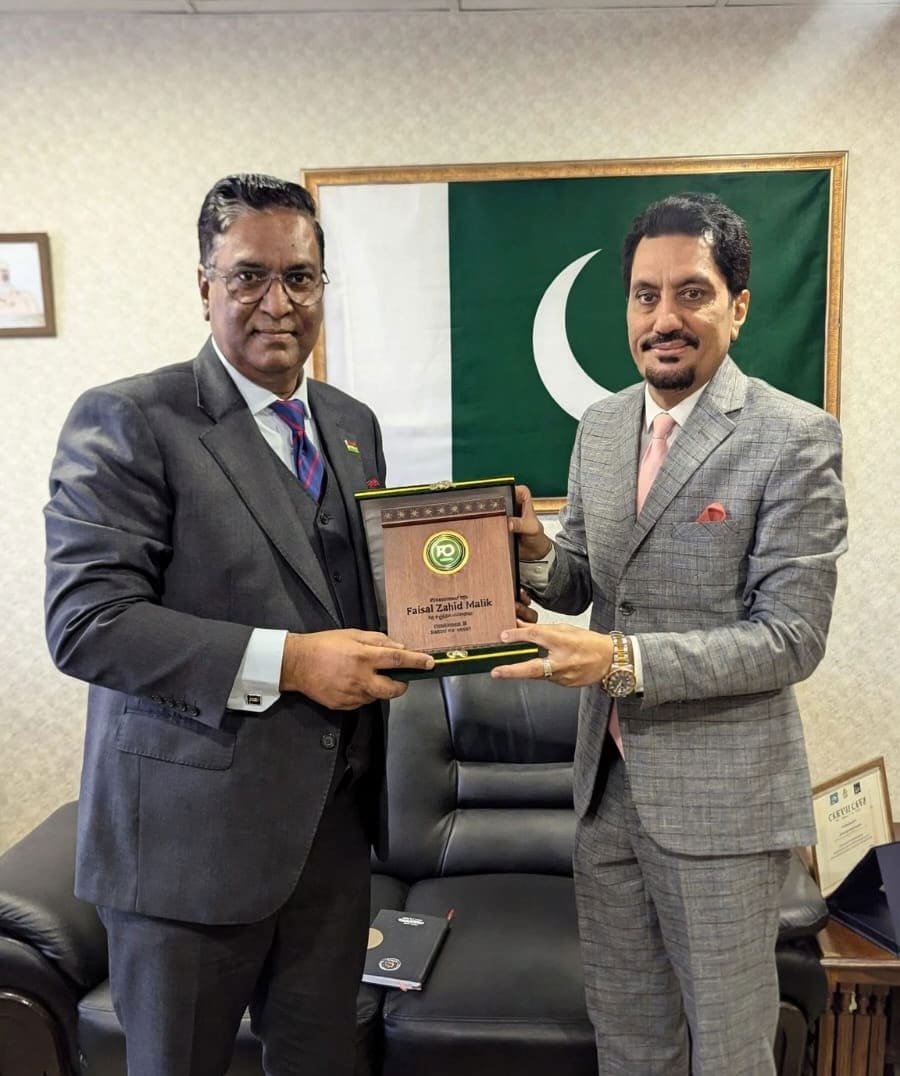
Media cooperation vital for strengthening Pakistan-Mauritius ties: Faisal Zahid Malik Rana Tahir Shahbaz Islamabad High Commissioner of Mauritius to Pakistan,

Bitcoin traded near $82,000 on Friday as cryptocurrency markets stabilized following a rebound in South Korean technology stocks and declining expectations of a Federal Reserve interest-rate hike in October. Bitcoin (BTC) held above the $80,000 level after recovering from Thursday’s decline. South Korea’s KOSPI Composite Index rose 2% on Friday to close at 5,668 points, […]