FinTech News & Articles

Live Feed

Live, AI-summarized coverage of payments, banking, crypto & regulation in Pakistan & globally.

bankingKissanPay, an agri-fintech platform by Kissan Gudam and aik by BankIslami, was inaugurated by SBP Deputy Gover — banking news image
Trending
banking•Pakistan

KissanPay, an agri-fintech platform by Kissan Gudam and aik by BankIslami, was inaugurated by SBP Deputy Gover

KissanPay, an agri-fintech platform by Kissan Gudam and aik by BankIslami, was inaugurated by SBP Deputy Governor Saleem Ullah and Ahmed Umair, Coordinator to the Prime Minister on Agriculture and Food Security, at the Pakistan Agriculture Connections Expo 2026. The launch also marked the platform’s first farmer financing disbursement, enabling farmers to access Shariah-compliant financing against stored agricultural commodities. By combining digital banking infrastructure with agricultural warehousing, KissanPay aims to improve farmers’ access to timely financing and help reduce distress sales. A step towards a more connected, digitally enabled agricultural finance ecosystem in Pakistan. Kissan Gudam, aik by BankIslami, Saleem Ullah, Ashfaque Ahmed, Anam Tahir #FintechNewsPakistan #KissanPay #AgriFintech #Pakistan

LinkedIn · Fintech News PakistanRead original ↗
policyGlobal growth set to slow — policy news image
policy•Pakistan

Global growth set to slow

ISLAMABAD: Global economic growth is projected to slow to 2.6 per cent in 2026 and 2.7pc in 2027, from 2.9pc in 2025, while growth in developing economies is expected to fall to 4pc from 4.7pc, amid mounting technological and policy barriers, according to the Trade and Development Report 2026. The flagship report by the United Nations Conference on Trade and Development (UNCTAD) finds that governments increasingly use industrial, trade, financial, and technology policies to pursue economic and national security objectives. Access to markets and the ability to move into higher-value activities now depend more heavily on technology, finance and geopolitics. Developing countries will be affected unevenly by the reconfiguration of global trade. Some may emerge as alternative suppliers or intermediary hubs, but sustaining these gains will require stronger productive, regulatory and institutional capabilities, the report warns. Global trade reached a record $35 trillion in 2025. Higher trade values in 2026 are being driven by rising prices amid the energy shock. Trade patterns are also shifting, with trade between China and the United States falling by more than 20pc since 2024, while East Asia has expanded trade with both China and North America. Export controls, investment screening and supply-chain conditions are making it harder for new entrants to access strategic sectors. Asia remains the most dynamic exporting region, with intra-Asian merchandise trade rising markedly. South-South trade is also deepening as China and other major Asian exporters increase shipments to emerging markets. On the import side, Asia is expected to record the strongest growth in 2026, followed by North America, where demand for artificial intelligence-related goods has supported overall imports. Published in Dawn, October 11th, 2026

(The Newspaper's Reporter) · Dawn Business & FinanceRead original ↗
cryptoBitcoin Holds Near $82,500 as Crypto Markets Face Ledger Wallet Theft Reports — crypto news image
crypto•Pakistan

Bitcoin Holds Near $82,500 as Crypto Markets Face Ledger Wallet Theft Reports

Bitcoin traded near $82,500 on Friday as cryptocurrency markets attempted to recover from Thursday’s decline amid reports of funds being stolen from Ledger hardware wallet users. BTC rebounded from a local low of $80,350 and briefly reclaimed $83,000 as buyers returned to the market. Despite the security concerns, crypto markets avoided significant selling pressure. Data […]

policyBritish International Investment terms Pakistan's stabilisation 'encouraging', but calls for policy consistency — policy news image
policy•Pakistan

British International Investment terms Pakistan's stabilisation 'encouraging', but calls for policy consistency

Pakistan’s recent economic progress is encouraging, but sustained reforms are essential to draw in more capital, British International Investment (BII), the UK government’s development finance institution, has said. “Recent progress towards macroeconomic stability is encouraging and can help strengthen investor confidence,” Imtiaz Saithna, BII’s head of Pakistan, told Business Recorder in an interview.* Saithna’s comments come as Pakistan’s economy saw a period of cautious recovery and stabilisation in the fiscal year 2025-26, with the gross domestic product (GDP) growth at 3.7%. However, “continued reforms and policy consistency will be important to sustain that momentum”, said BII’s head of Pakistan. ‘Fragile situation’ in a ‘resilient’ economy: British International Investment CEO BII, formerly known as the CDC Group, has been investing in Pakistan since 1987. BII’s investment mandate in Pakistan focuses on three specific areas: climate finance, financial inclusion, and venture capital. “As a counter-cyclical investor, we have remained committed to supporting viable businesses and long-term development, while taking a disciplined approach to risk during periods of economic instability,” Saithna said. The portfolio is valued at “close to $360 million across 38 businesses”. Saithna did not give a new investment target or timeline for scaling up. However, when queried about what measures Pakistan should take, he listed conditions, including “maintaining macroeconomic stability, improving the ease of doing business, strengthening institutions and ensuring a predictable regulatory environment”. “Investors also look for clear rules, efficient markets and a transparent legal and contractual framework.” Saithna believes that Pakistan’s challenge is not a lack of opportunity. “The country has capable businesses, entrepreneurial talent and strong investment demand,” he said, adding the main constraint lies elsewhere. “One of the biggest constraints is ensuring that long-term capital reaches the sectors and businesses that need it most,” BII official said, adding access to finance remains limited for many small and medium-sized enterprises (SMEs), farmers, women entrepreneurs and underserved communities, “which can restrict growth and job creation”. BII reaffirms Pakistan commitment, seeks greater private capital mobilisation Small businesses and farming are central to BII’s approach, which is also “central to Pakistan’s economy, employment and food security,” Saithna said. “These are also areas where access to finance remains limited.” BII reaches these sectors through intermediaries, i.e. “partnerships with financial institutions and investment platforms that can channel capital to businesses and producers”. Saithna also set out what would make these sectors more attractive to institutional money. “To attract more institutional capital, investors need confidence in the operating environment, access to reliable information and opportunities with strong commercial fundamentals,” he said. BII’s strategy centres on mobilising capital into developing economies. “Pakistan is on the frontline of climate change, and increasing access to climate finance is critical to building long-term resilience and supporting sustainable growth,” Saithna said. On a risk-sharing facility with Pakistan Microfinance Investment Company (PMIC), backed by a $15 million BII commitment, Saithna said the “facility is designed to unlock up to $30 million of additional lending through PMIC portfolio”. “By sharing risk, the facility enables PMIC to expand lending through microfinance providers and reach customers who may otherwise struggle to access formal financial services.” The interview also cited a $50 million BII investment in Bank Alfalah for climate finance and a $75 million facility for HBL. “Our recent investments with Bank Alfalah and HBL reflect this approach by supporting climate resilience, food security and sustainable finance. “We have also invested in Mega Motors to support electric vehicle manufacturing in Pakistan,” he informed. BII’s previous notable investments in Pakistan include Daraz.pk, Jhimpir Power (Private) Limited, KASHF Foundation, and Zhenfa Pakistan New Energy Company (Pvt) Ltd. Apart from climate financing, BII’s renewable energy portfolio in Pakistan provides over 460MW of clean energy, including the 100MW Atlas Solar and the 50MW Zephyr Wind Farm. Looking ahead, “We agree with the government that investment in transmission and distribution infrastructure is a priority for the power sector,” said Saithna, adding BII has significant experience in this area in other markets. “We look forward to sharing relevant lessons in Pakistan.” On the three-to-five-year outlook, Saithna said “there is an opportunity to attract more long-term capital into productive parts of the economy” as conditions stabilise. “BII’s role is to help catalyse that investment by working alongside local institutions and private investors,” he concluded

(Ali Ahmed) · Business Recorder · Business & FinanceRead original ↗
bankingHong Kong is entering a new chapter in its role within China and the global financial system. Jasper Yip, Head — banking news image
banking•Global

Hong Kong is entering a new chapter in its role within China and the global financial system. Jasper Yip, Head

Hong Kong is entering a new chapter in its role within China and the global financial system. Jasper Yip, Head of Corporate and Institutional Banking, Asia Pacific, and Head of Greater China at Oliver Wyman, will explore Hong Kong’s role in China’s next growth chapter and global financial connectivity at the Asian Banking & Finance and Insurance Asia Summit 2026 - Hong Kong. Register now: https://bit.ly/3TqA2e1 #ABFIASummit2026 #ABFIASummitHongKong2026 #OliverWyman

LinkedIn · Asian Banking & FinanceRead original ↗
bankingFour banks, BRAC Bank PLC, City Bank, Pubali Bank PLC., and Mutual Trust Bank PLC, have entered discussions to — banking news image
banking•Global

Four banks, BRAC Bank PLC, City Bank, Pubali Bank PLC., and Mutual Trust Bank PLC, have entered discussions to

Four banks, BRAC Bank PLC, City Bank, Pubali Bank PLC., and Mutual Trust Bank PLC, have entered discussions to acquire Standard Chartered Bangladesh’s retail banking business, which holds BDT 84.79 billion in loans and BDT 80 billion in deposits. BRAC Bank and City Bank have held initial discussions, while Pubali Bank and MTB are in preliminary talks. For Pubali Bank, retaining around 1,500 employees remains a key consideration, while MTB expects the process to take considerable time. #StandardChartered #BRACBank #CityBank #PubaliBank #MutualTrustBank

LinkedIn · Fintech News BDRead original ↗
policyNew Mountain Capital, a leading growth-oriented alternative investment firm headquartered in New York, today a — policy news image
policy•Global

New Mountain Capital, a leading growth-oriented alternative investment firm headquartered in New York, today a

New Mountain Capital, a leading growth-oriented alternative investment firm headquartered in New York, today announced the establishment of New Mountain Capital Middle East Limited in the ADGM, the international financial center of Abu Dhabi, having received regulatory approval from the Financial Services Regulatory Authority (FSRA) to conduct regulated activities. Read more: https://lnkd.in/eK94TFsJ New Mountain Capital, Adam Weinstein, David Coquillette, Arvind Ramamurthy #FintechNewsPakistan #NewMountainCapital #ADGM #UAE

LinkedIn · Fintech News PakistanRead original ↗
bankingBank of Sharjah has signed a strategic partnership agreement with Emirates Face Recognition (EFR), a UAE-based — banking news image
banking•Global

Bank of Sharjah has signed a strategic partnership agreement with Emirates Face Recognition (EFR), a UAE-based

Bank of Sharjah has signed a strategic partnership agreement with Emirates Face Recognition (EFR), a UAE-based technology provider specializing in facial recognition, biometric verification, and digital solutions. Read more: https://lnkd.in/ebXkNS_q Bank of Sharjah, Emirates Face Recognition, Sridhar Karlapudi, Zack C. #FintechNewsPakistan #BankOfSharjah #EFR #FaceRecognition #UAE

LinkedIn · Fintech News PakistanRead original ↗
paymentsWio Bank has become the first issuer in the UAE to introduce auto-enablement of Click to Pay for its cards wit — payments news image
payments•Global

Wio Bank has become the first issuer in the UAE to introduce auto-enablement of Click to Pay for its cards wit

Wio Bank has become the first issuer in the UAE to introduce auto-enablement of Click to Pay for its cards with Mastercard, providing online shoppers with seamless payment options. Read more: https://lnkd.in/eegqnnmA Wio Bank, Mastercard, Prateek Vahie, Gina Petersen-Skyrme #FintechNewsPakistan #WioBank #Mastercard #UAE

LinkedIn · Fintech News PakistanRead original ↗
fintechStandard Chartered has launched its tenth sub-fund under its Variable Capital Company (VCC) platform, appointi — fintech news image
fintech•Global

Standard Chartered has launched its tenth sub-fund under its Variable Capital Company (VCC) platform, appointi

Standard Chartered has launched its tenth sub-fund under its Variable Capital Company (VCC) platform, appointing BNY Investments as the sub-investment manager. Read more: https://lnkd.in/d3bDXncf Standard Chartered, BNY Investments, Ayesha Abbas, Sumeet Bhambri, Doni Shamsuddin #FintechNewsPakistan #StandardChartered #BNYInvestments #VariableCapitalCompany #UAE

LinkedIn · Fintech News PakistanRead original ↗
marketsIPO approval time could fall by 15 months, or 83.3%, under Bangladesh Securities and Exchange Commission (BSEC — markets news image
markets•Global

IPO approval time could fall by 15 months, or 83.3%, under Bangladesh Securities and Exchange Commission (BSEC

IPO approval time could fall by 15 months, or 83.3%, under Bangladesh Securities and Exchange Commission (BSEC) planned reform. BSEC Chairman Masud Khan said the regulator aims to cut the approval timeline to 3 months from nearly 18 months, as it looks to simplify the existing process and address the prolonged drought in new listings. BSEC, the Dhaka Stock Exchange and Chittagong Stock Exchange will coordinate their processes to reduce delays after applications are submitted. The reform push also includes direct listing for top-tier local and multinational companies, giving eligible firms an alternative to the traditional IPO route. BSEC has also approved nearly BDT 30 billion in bonds since the new commission took charge and is working to expand the corporate, green and other bond markets. The regulator is also exploring ways to increase institutional investment by allowing pension, gratuity and insurance funds to invest more in equities and corporate bonds. #BangladeshEconomy #CapitalMarket #BSEC #IPO #Investment

LinkedIn · Fintech News BDRead original ↗
marketsForeign investors’ transactions in Bangladesh’s capital market rose 37.6% year-on-year to BDT 37.01 billio — markets news image
markets•Global

Foreign investors’ transactions in Bangladesh’s capital market rose 37.6% year-on-year to BDT 37.01 billio

Foreign investors’ transactions in Bangladesh’s capital market rose 37.6% year-on-year to BDT 37.01 billion during January–August 2026, up from BDT 26.87 billion in the same period last year. The increase of BDT 10.13 billion highlights growing foreign participation, with transactions in the first eight months already reaching nearly 94% of the BDT 39.2 billion recorded throughout 2025. Market reforms and efforts to simplify investment procedures are helping strengthen investor confidence. Key initiatives include preparations to upgrade Bangladesh from frontier to emerging market status, engagement with international index providers such as MSCI, simplified rules for Non-resident Investors’ Taka Accounts (NITAs) and plans to introduce a T+1 settlement system. Together, these measures aim to improve market accessibility, transparency and efficiency for foreign investors. #BangladeshEconomy #CapitalMarket #ForeignInvestment #DSE #StockMarket

LinkedIn · Fintech News BDRead original ↗
bankingBangladesh’s banking sector is facing mounting financial pressure, with 22 of the country’s 61 banks opera — banking news image
banking•Global

Bangladesh’s banking sector is facing mounting financial pressure, with 22 of the country’s 61 banks opera

Bangladesh’s banking sector is facing mounting financial pressure, with 22 of the country’s 61 banks operating at accumulated losses totaling BDT 2.54 trillion as of March 2026. Among these, 4 are state-owned commercial banks: Janata, Agrani, Rupali and BASIC Bank. Despite recording an operating profit of BDT 7.89 billion, the banking sector reported a net loss of BDT 84.17 billion, reflecting the impact of loan defaults, provisioning requirements, capital shortages and weak asset quality. The crisis extends beyond profitability, with 15 banks failing to maintain minimum capital requirements as of March and 12 banks receiving approximately BDT 850 billion in liquidity support by September 27. Non-performing loans reached BDT 670 billion as of June 30, accounting for around 33% of total loans, according to the report. Experts have warned that widespread losses and rising defaults are undermining confidence in the banking system, highlighting the urgent need for structural reforms and stronger financial governance. #BangladeshEconomy #BankingSector #NonPerformingLoans #FinancialReforms #Bangladesh

LinkedIn · Fintech News BDRead original ↗
bankingThe temporary suspension of Q-Cash services for system migration and technical upgrades is disrupting card-bas — banking news image
banking•Global

The temporary suspension of Q-Cash services for system migration and technical upgrades is disrupting card-bas

The temporary suspension of Q-Cash services for system migration and technical upgrades is disrupting card-based transactions across at least 30 banks in Bangladesh. The maintenance, which began at 9 PM on October 4, is scheduled to continue until 12 PM on October 10. The affected banks include Agrani Bank, Sonali Bank, Janata Bank, Rupali Bank, Shahjalal Islami Bank, Bank Asia, IFIC Bank, National Bank, NCC Bank, Mercantile Bank, Social Islami Bank, First Security Islami Bank, and 18 other banks. Services affected include ATM withdrawals, POS payments, e-commerce transactions, online fund transfers, Bangla QR, and MFS cash-in and cash-out. The disruption varies by bank, depending on the availability of alternative payment switches. While some banks have maintained most services through backup systems, others are facing significant interruptions, leaving customers unable to withdraw salaries, make payments, or use cards for transactions at home and abroad. Other affected institutions include Bangladesh Commerce Bank, Bangladesh Krishi Bank, BASIC Bank, Bank Alfalah, Community Bank, ICB Islamic Bank, Jamuna Bank, Meghna Bank, Midland Bank, Modhumoti Bank, NRB Commercial Bank, Global Islami Bank, Shimanto Bank, SBAC Bank, Trust Bank, Union Bank, Uttara Bank, and Woori Bank. #BangladeshBanking #QCash #DigitalPayments #BankingServices #CashlessBangladesh

LinkedIn · Fintech News BDRead original ↗
paymentsBangladesh banking services have been hit by a major disruption after a dispute between Q-Cash operator Inform — payments news image
payments•Global

Bangladesh banking services have been hit by a major disruption after a dispute between Q-Cash operator Inform

Bangladesh banking services have been hit by a major disruption after a dispute between Q-Cash operator Information Technology Consultants Ltd (ITCL) and Russian technology vendor Compass Plus. According to ITCL, after it decided to replace Compass Plus software with OpenWay’s WAY4 platform, Compass Plus allegedly installed a disruptive script on ITCL servers. The script automatically restarted the servers every eight hours, wiped routing tables and disrupted payment processing across the Q-Cash network. The impact was widespread as ITCL provides payment infrastructure to 33 commercial banks and is estimated to handle around 70% of Bangladesh’s banking-card transactions. Cards, ATMs, POS terminals, CRMs, NPSB and IBFT services were affected, leaving millions of customers facing transaction problems. While ITCL described the incident as a vendor-related disruption, a Bangladesh Bank official said Compass Plus had shut down services over unpaid dues. Bangladesh Bank has since intervened in the dispute and raised concerns over the sudden shutdown without prior notice. #BangladeshBank #Banking #QCash #DigitalPayments #PaymentInfrastructure

LinkedIn · Fintech News BDRead original ↗
paymentsLuLu Money Business, the SME-focused financial services platform of LuLu Financial Holdings, has signed a Memo — payments news image
payments•Global

LuLu Money Business, the SME-focused financial services platform of LuLu Financial Holdings, has signed a Memo

LuLu Money Business, the SME-focused financial services platform of LuLu Financial Holdings, has signed a Memorandum of Understanding (MoU) with Mastercard to build a more connected financial ecosystem for small and medium enterprises (SMEs) in the UAE. Read more: https://lnkd.in/ddFP2SqB LuLu Money Business, Mastercard, Investopia, Adeeb Ahamed, Mete Güney #FintechNewsPakistan #FintechNewsMedia

LinkedIn · Fintech News PakistanRead original ↗
lendingBangladesh is looking to move away from heavy dependence on foreign loans and bank financing by developing a s — lending news image
lending•Global

Bangladesh is looking to move away from heavy dependence on foreign loans and bank financing by developing a s

Bangladesh is looking to move away from heavy dependence on foreign loans and bank financing by developing a stronger market-based financing system. The strategy centres on raising more capital through domestic and international markets using bonds and equities, with the broader goal of mobilising the funds needed to support a USD 1 trillion economy by 2034. The country is also preparing to access international capital markets through a proposed dollar bond issue in New York, while global investors are showing growing interest in Bangladesh. A deeper capital market could help businesses raise funds at lower costs, reduce reliance on high-interest bank loans and bring more long-term domestic and foreign investment into the economy. #BangladeshEconomy #CapitalMarket #Investment #FinancialMarkets #EconomicGrowth

LinkedIn · Fintech News BDRead original ↗
cryptoBitcoin Price Eyes $85K, but Momentum Has Yet to Show Up — crypto news image
crypto•Global

Bitcoin Price Eyes $85K, but Momentum Has Yet to Show Up

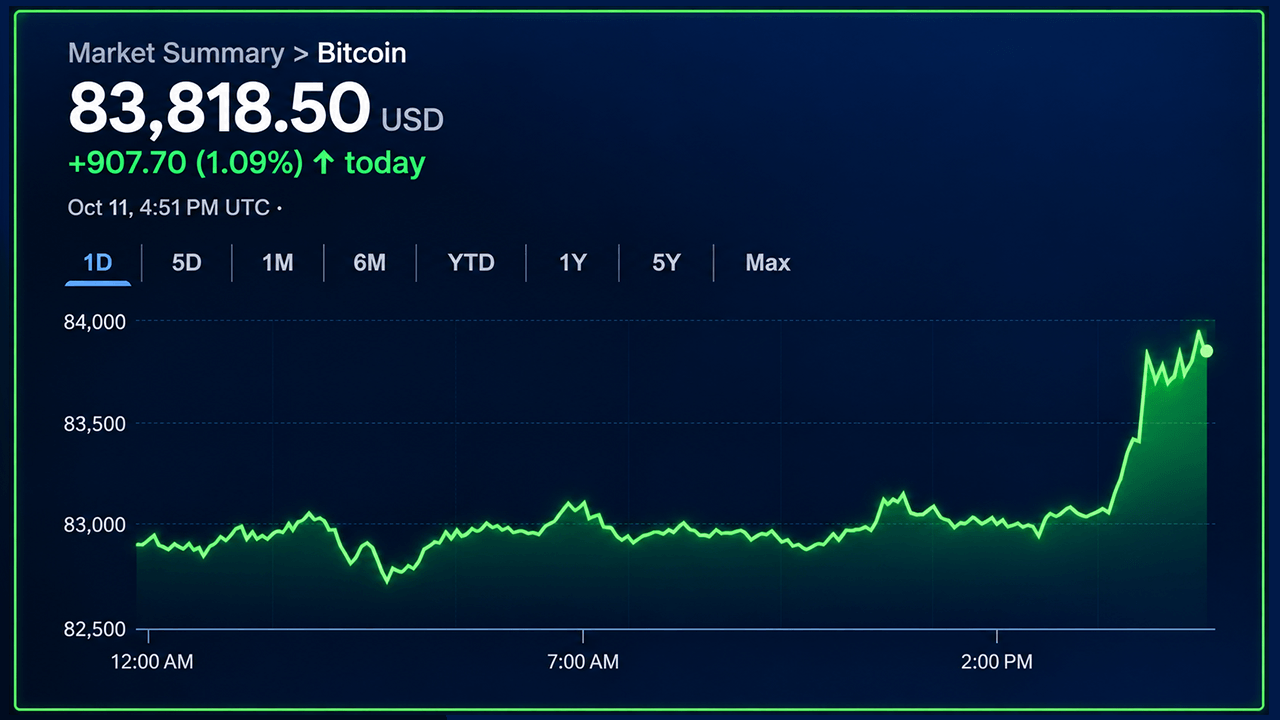
Bitcoin’s price is holding near $83,770 on Oct. 11, 2026, after recovering from a recent low of $80,308, but the climb toward $84,000 is proving difficult. Short-term moving averages paint a mixed picture, while longer-term indicators remain largely positive. Oscillators suggest momentum has yet to catch up with the recovery, leaving bitcoin caught between improving

Bitcoin.com NewsRead original ↗
cryptoLiquid Network at 86% Backing as Bitcoin Redemption Freeze Drags On — crypto news image
crypto•Global

Liquid Network at 86% Backing as Bitcoin Redemption Freeze Drags On

It has been 35 days since an attacker exploited a vulnerability in the Liquid Network’s Elements software, draining nearly 4,000 BTC from the protocol, and although 3,400 BTC has since been recovered, redemptions of LBTC for actual bitcoin remain suspended as an independent external security audit of Elements v23.3.4 is underway. Liquid Network Peg-Outs Remain

Bitcoin.com NewsRead original ↗
cryptoMore Orange: Saylor Hints at Growing Strategy’s 848K Bitcoin Stash — crypto news image
crypto•Global

More Orange: Saylor Hints at Growing Strategy’s 848K Bitcoin Stash

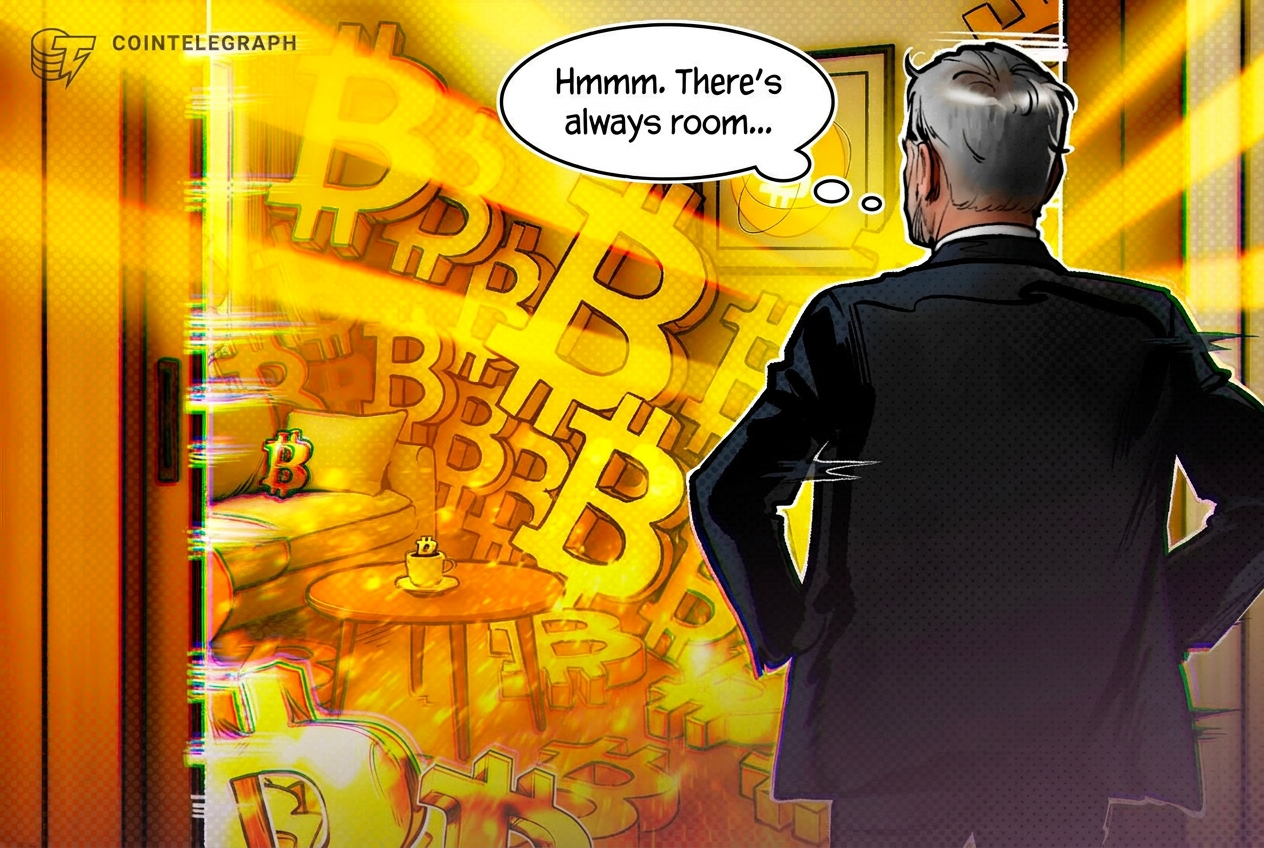
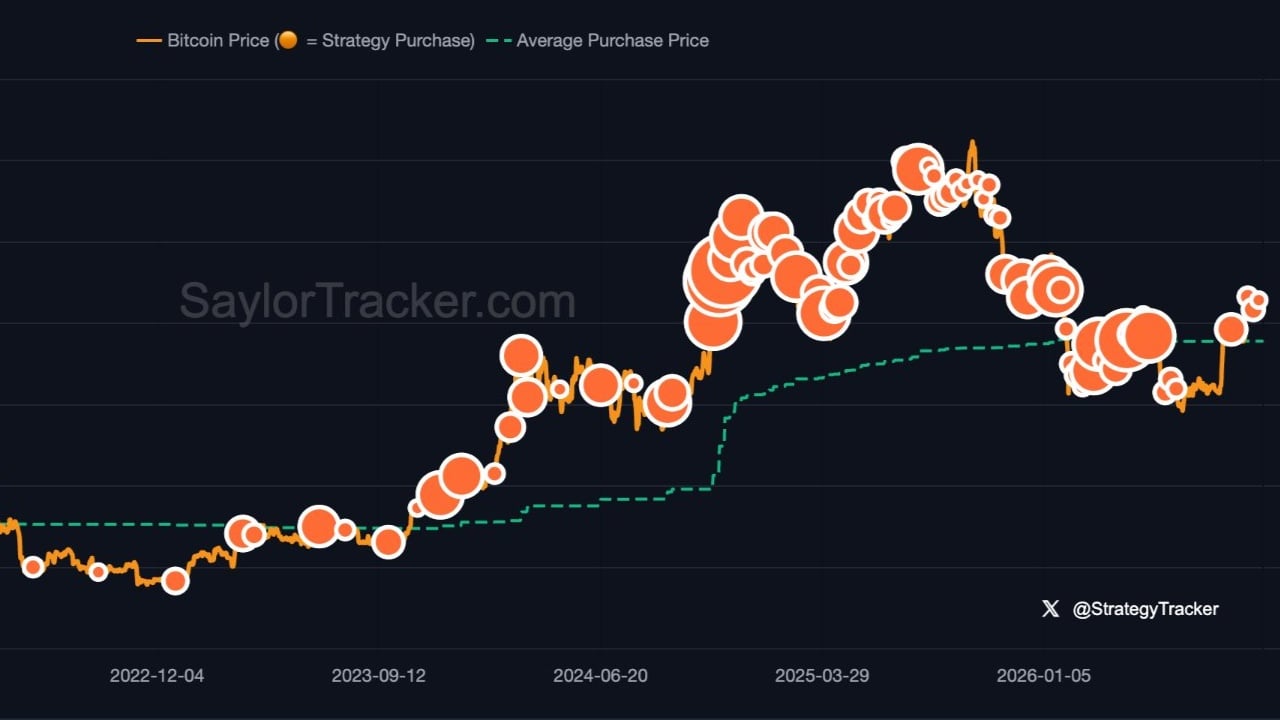
Strategy could expand its bitcoin holdings after Michael Saylor posted another orange-themed buying hint. His latest message follows a $28.7 million acquisition, while the company balances cryptocurrency purchases with cash commitments to shareholders and creditors. Saylor Signals There Is Room for More Bitcoin Another bitcoin acquisition may be coming from Strategy Inc. (Nasdaq: MSTR), following

Bitcoin.com NewsRead original ↗
bankingArgentina’s Central Bank Rejects Near-Term Crypto Banking Integration — banking news image
banking•Global

Argentina’s Central Bank Rejects Near-Term Crypto Banking Integration

The institution rejected crypto integration into payment service providers and the banking sector for the next two years, leaving the door open to these measures in a hypothetical second Milei term, hinting at lifting the current ban on banks managing crypto. Argentina Rejects Near Future Changes In Crypto Banking Integration While Argentina has reached one

Bitcoin.com NewsRead original ↗
policyWorld Bank in talks with dozens of countries about crisis aid, Banga says — policy news image
policy•Global

World Bank in talks with dozens of countries about crisis aid, Banga says

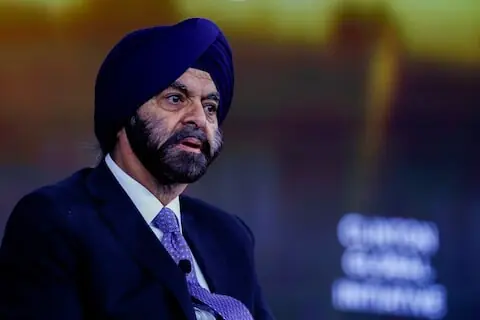
BANGKOK: The World Bank is in discussions with 30 to 40 countries about potential crisis aid to help them manage energy shocks and price increases triggered by the war in the Middle East, ​its president, Ajay Banga , told Reuters in an interview. Banga said the global economy had proven fairly resilient, in part due to big AI investments and adjustments ‌in supply and demand for oil, which meant that few countries had sought the initial $25 billion in crisis funds that the World Bank had made available when the war began in late February. However, a sharp spike in diesel and fertilizer prices and other factors, including the looming super El Niño weather effect, were adding to challenges facing developing countries, Banga said in an interview ahead of this week’s annual meetings of the International ​Monetary Fund and World Bank . “There is pressure, and so I think maybe over the coming months, more countries will come for some slice of that first $50 to $60 billion,” ​Banga said, referring to the initial $25 billion plus another $35 billion that countries could tap by diverting resources from already approved World Bank projects. “We’ll see, ⁠but we’re ready. We’re engaged. We’re having conversations with a number of them, you know, 30 to 40 countries are in dialogue with us,” he said. Many developing countries have been hit ​hard by the spike in energy prices and high interest rates that have increased borrowing costs at a time when their fiscal coffers are still depleted by measures taken during the COVID-19 ​pandemic and the spike in inflation following Russia’s invasion of Ukraine. World Bank estimates show that developing countries owe external creditors about $400 billion in 2026, with interest payments alone comprising one-third of the total. Middle East war, high debt levels to dominate IMF-World Bank meetings in Bangkok Banga said more countries had shown interest in retooling existing projects than in tapping the immediate crisis window to address their liquidity needs. If the situation worsened, the Bank could make available as much as $100 billion in funds, he said, exceeding ​the $70 billion disbursed during the pandemic. The World Bank last month announced that it attracted a record $112 billion in private capital in the year ended June versus $69 billion a year earlier, and more ​than triple the 2022 total before Banga, a former Mastercard CEO, became president. That was on top of the $123 billion invested from the bank’s own resources for that year, for a combined $235 billion, Banga said, underscoring ‌the importance ⁠of tapping all available resources, especially at a time when Western countries have sharply cut official bilateral development aid. “There is no one answer that fits when the world has these kinds of issues. What you need to do is figure out how to cut your coat to suit your cloth,” Banga said. Banga said he expected further gains in private capital flows in coming years, aided by expanded political risk guarantees from the bank’s Multilateral Investment Guarantee Agency, growth in local currency financing, and continued work on regulatory reforms that made it easier for foreign investors. The private capital ​jump was biggest in projects in upper-middle-income ​countries like Argentina or India, which accounted ⁠for $50 billion of the private capital, and lower-middle-income countries including Bangladesh and Angola, which accounted for $37 billion. But more work was needed to boost the roughly $3 billion in private capital flowing to low-income countries. “In the smaller countries, it hasn’t multiplied enough, and there are challenges,” he said, noting ​the bank would announce some new initiatives this week aimed at ensuring micro-, small- and medium-sized businesses also had access to private ​capital. Banga said private capital growth ⁠was also regionally spread, with the largest increase seen in Latin America and the Caribbean, which accounted for $36.3 billion of last year’s total, followed by Europe and Central Asia with $21.3 billion, South Asia with $19.2 billion and Africa with $22 billion. Oil falls as Trump comments on Iran talks ease supply concerns The top 10 recipient countries were Brazil, India, Turkiye, Romania, Nigeria, Argentina, South Africa, Bangladesh, Mexico and Chile, the Bank said. Banga said the World Bank and IMF were working ⁠together to address ​the high debt levels plaguing many developing countries through a series of initiatives, including efforts to boost countries’ domestic ​revenue collections. The Bank had already set up some debt-for-development swaps for Angola and Ivory Coast, and a portfolio-based guarantee for Argentina, and was working on over a dozen more projects. “We’ve got 14 or 15 in the pipeline, helping them ​rotate out higher-priced old debt for newer-priced debt with our guarantees,” with the difference then targeted at education, healthcare, water, or nature programs, he said

(Reuters) · Business RecorderRead original ↗

blockchainChinese Communist Party Calls for a National Blockchain Network — blockchain news image
blockchain•Global

Chinese Communist Party Calls for a National Blockchain Network

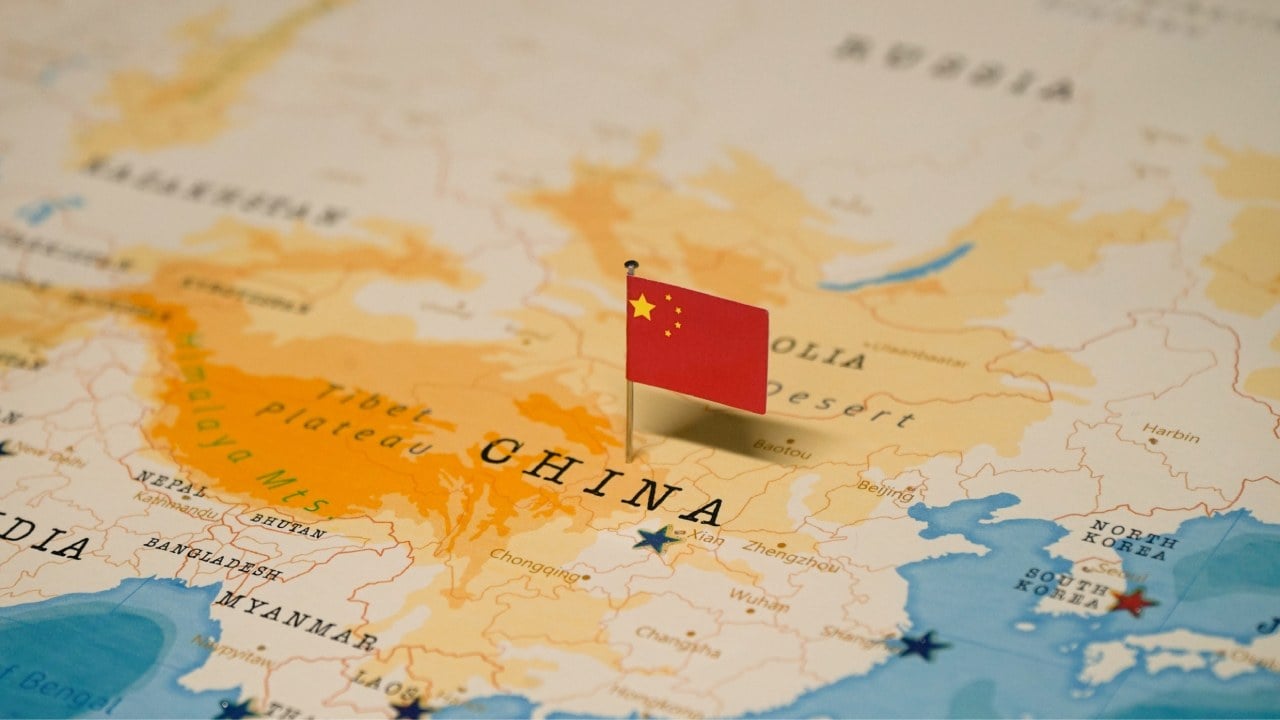
The Central Committee of the Chinese Communist Party (CCP) has called for the creation of a national blockchain network to foster a deeper integration of the country’s real and digital economies. The proposal follows earlier programs to develop blockchain applications for various purposes. China Pushes for Creation of National Blockchain Network as Part of New

Bitcoin.com NewsRead original ↗
startupNvidia in talks to invest further in Reflection AI or buy it, FT reports — startup news image
startup•Global

Nvidia in talks to invest further in Reflection AI or buy it, FT reports

Nvidia is in talks to deepen its investment in ​open-source startup Reflection AI or acquire it, the ‌Financial Times reported on Saturday, citing people with direct knowledge of the matter. Talks are at an early stage and a deal ​could take several forms, including a so-called acqui-hire ​arrangement where Nvidia would hire staff and license ⁠technology rather than pursue a full acquisition, potentially avoiding ​a lengthy regulatory review, the newspaper said. An agreement could be ​reached in the coming weeks, according to the report, which cited multiple people familiar with the matter, while adding that the ​discussions could still fall apart. Nvidia behind $50 billion lease on Texas data center, FT reports Reflection declined to comment on ​the FT report, while Nvidia did not immediately respond to a request ‌for ⁠comment. Nvidia is already a major financial backer and strategic investor in Reflection AI, having invested $800 million in the startup, the FT reported. Founded in 2024 by former DeepMind ​researchers Misha Laskin ​and Ioannis ⁠Antonoglou, Reflection develops tools that automate software development, a fast-growing use case for AI. Reflection’s ​chief executive, Laskin, told CNBC in April that ​the ⁠Nvidia-backed startup was raising fresh capital at a pre-money valuation of $25 billion. China weighs allowing ByteDance, Alibaba to buy new Nvidia chips, The Information reports The company on Monday launched its first open-weight ⁠model, Beam, ​as it seeks to compete in ​coding and agentic tasks with lower-cost Chinese models such as DeepSeek and ​Kimi

(Reuters) · Business RecorderRead original ↗
policyMiddle East war, high debt levels to dominate IMF-World Bank meetings in Bangkok — policy news image
policy•Global

Middle East war, high debt levels to dominate IMF-World Bank meetings in Bangkok

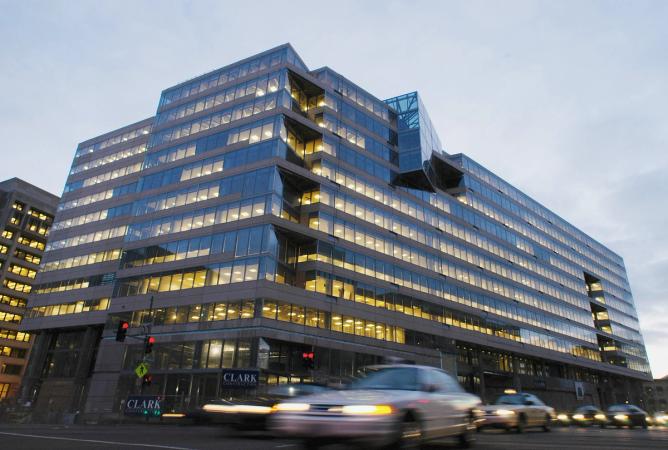
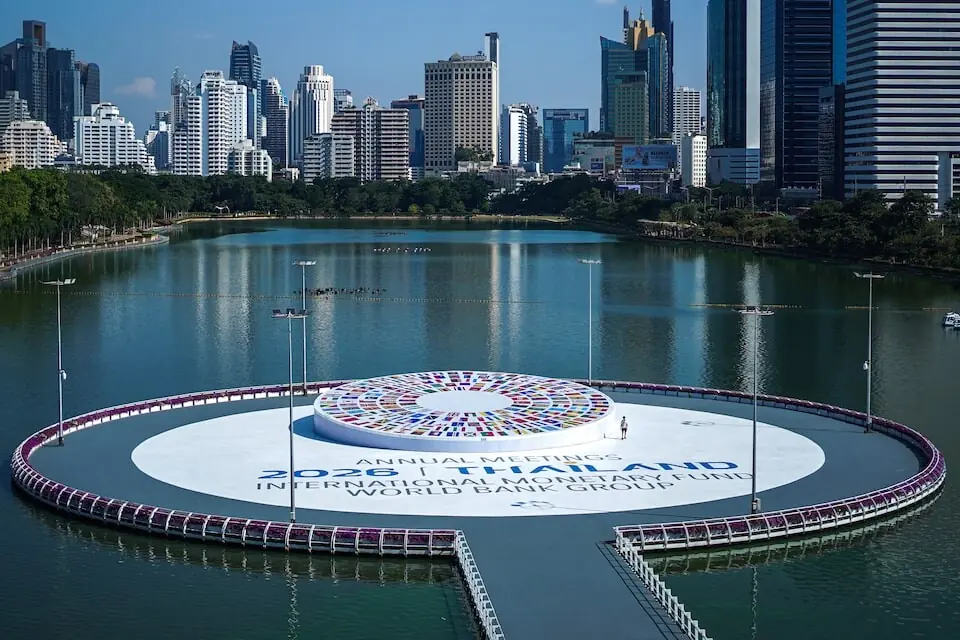
BANGKOK: Finance officials from around the world will gather in Thailand this week under the shadow of a widening war in the Middle East, the biggest energy supply shock ever and rising interest rates that together pose daunting risks to already-sluggish global economic growth. The US-Israeli-led war ​with Iran, now in its eighth month, and the inflation and hardship it has caused, will dominate the agenda and sideline conversations during the annual meetings of the International Monetary Fund and World Bank, being held outside ‌of Washington for the first time in three years. Notably absent will be US Treasury Secretary Scott Bessent , who dispatched two senior officials in his stead while he handled some “domestic engagements,” a US official said. His decision to skip the high-profile gathering and a meeting of the Group of 20 major economies, which the US leads this year, may frustrate counterparts amid rising tensions over the Iran war, Ukraine’s battle against Russia’s invasion and the US move to impose sanctions on the International Criminal Court. World Bank President Ajay Banga told Reuters that while global growth had held up better than feared when Iran closed the Strait of Hormuz, shutting off some 20% ​of the world’s oil, pressures were building again. Soaring prices for diesel, rising fertilizer prices and a looming “super” El Niño weather effect that experts say could lead to 450,000 heat-related deaths are all hitting at once. Group of Seven countries have agreed ​to release 100 million barrels of diesel and crude oil from emergency reserves under pressure from US President Donald Trump , who is keen to see lower gasoline prices before November elections that could see ⁠his Republican Party lose control of Congress. Trump on Friday announced a deal with Russia that would provide even more diesel to global markets and a temporary waiver of US sanctions designed to deprive Moscow of revenues for its war on Ukraine. The move drew swift criticism ​from Ukrainian President Volodymyr Zelenskiy . More than 1 billion barrels of oil have been released mainly from onshore commercial inventories since the start of the war on February 28, but industry executives say the amount of oil in storage that is accessible to the global market is running low, making ​the market more fragile and fueling pressure on prices. Banga said the Bank was not revising down its global forecasts at the moment, but was keeping a close eye on developments. “The real thing is not just El Niño by itself; it’s the combination … What’s happening to fertilizer prices? What’s happening to energy costs? What’s happening to debt? It’s that put together that creates its own challenges,” he said. “And I think that will call upon all of us to be far more careful on what we prepare for in the coming months.” Rising debt IMF Managing Director Kristalina Georgieva issued a similar warning in her traditional curtain-raiser speech previewing the ​meetings, telling the audience, “Winter is coming.” The IMF has signaled little change in its forecast for 3% global growth in 2026 and may edge its forecast for next year slightly higher. But some countries will see downgrades, including Ukraine, now in its fifth year of war against ​Russia’s invasion, and Gulf countries hit by Iranian strikes and sharply reduced energy exports. IMF research released on Tuesday showed that sharp spikes in food and energy prices are an increasingly common source of crises that drive inflation expectations higher for longer, worsen poverty and threaten economic stability. One huge headache for ‌policymakers is the growing ⁠public debt burden that is sapping growth and adding inflationary pressures. The IMF says public debt is at the highest level since World War Two and will exceed 100% of GDP before 2030. Advanced economies, led by the United States, have the highest debt-to-GDP ratios, but emerging markets and low-income countries are particularly vulnerable, given a perfect storm of challenges: capital outflows in search of higher US rates, El Niño, and lack of investment in AI, which has mitigated negative supply shocks in the US and other rich countries. Emerging market concerns Developing countries are particularly vulnerable given high public debt levels that will have to be renegotiated at higher interest rates. Interest payments already exceed 10% of revenue in developing countries on average. Early in the COVID crisis, G20 leaders announced a suspension of debt service payments for the poorest countries, but there ​is little appetite for such action now, according to diplomats from ​G20 countries, who said high debt levels and political pressures ⁠posed bigger hurdles this time. Many lower-income countries are worried about new IMF recommendations for loan programs that call for fewer, but deeper reforms as a condition for approving lending, a change that many fear will lead to painful austerity measures. “Countries are already cutting their expenditures because their debt payments are going high and because of the IMF conditionality,” said Iolanda Fresnillo, who works on debt justice for Eurodad. “We fear ​that this review of conditionality policy is just going to make things worse.” Kenya, she said, had avoided a debt restructuring by cutting public expenditures and trying to raise taxes, but the changes sparked ​significant protests, especially by the young. The ⁠IMF risked losing credibility unless it acknowledged the severity of the crisis facing many developing countries. “As long as they continue with the governance structure that they have, they are becoming less and less relevant,” she said. Security and finance Flight routes to Bangkok often route through the Middle East, posing immediate security challenges to the 10,000-plus travelers descending on Thailand’s bustling capital city of 9 million residents following recent attacks on Saudi airports. The last off-site annual meetings of the IMF and World Bank took place in Morocco just days after militants led by Hamas killed 1,200 people in Israel, followed by Israel’s ⁠bombardment of Gaza that ​killed more than 74,000 people and devastated cities throughout the Palestinian area. Three years later, the linkage between national security and international finance is clear, although finance officials ​at the time had dismissed the Hamas attack as not being an economic issue, said Josh Lipsky, vice president of international economics at the Atlantic Council. “Obviously there have been massive global ramifications,” he said. “What we’re currently experiencing with Iran and the closure of the Strait of Hormuz has a direct connection with what happened three years ​ago.” Policymakers needed to become more agile in responding to geopolitical crises in an increasingly interconnected world, Lipsky said. “They have to be proactive and they have to recognize that they don’t live in the world they used to.”

(Reuters) · Business RecorderRead original ↗
FinTech BulletinsFinTech Bulletins

Independent fintech intelligence for Pakistan and beyond — live news, career roadmaps, and resources for BS FinTech graduates.

Find Us At

Subscribe to FinTech Bulletins

The daily FinTech Bulletins digest — payments, banking, policy and crypto, in your inbox every morning.

Disclaimer: Market quotes and financial data displayed on FinTech Bulletins are provided for informational and educational purposes only. They do not constitute financial or investment advice under SECP regulations. Always consult a certified financial advisor before making investment decisions. Read SECP disclosures →

© 2026 FinTech Bulletins · All Rights Reserved